

Three New Judges Join Bench as Justice Sunita Agarwal Makes History as 13th Female Justice
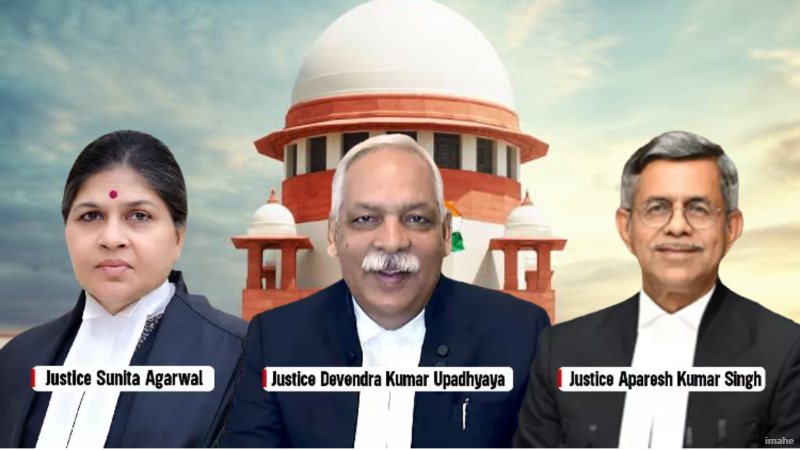
In a landmark development for the country's apex judicial institution, the Supreme Court of India witnessed a momentous oath-taking ceremony as three newly appointed judges officially assumed office, bringing the total strength of judges to 37. The recent swearing-in ceremony marks another historic chapter in the annals of Indian jurisprudence, highlighted by the elevation of Justice Sunita Agarwal, who has officially etched her name in history as the 13th female Supreme Court justice. As the highest court in the land continues to grapple with staggering case backlogs and pressing legal matters, the induction of these accomplished jurists is widely anticipated to bolster judicial bandwidth and efficiency. Legal observers, constitutional experts, and citizens alike are celebrating this progressive milestone, which further underscores the expanding representation of women in the highest echelons of the Indian judiciary. This comprehensive report explores the significance of the new appointments, Justice Sunita Agarwal's illustrious judicial journey, and what the augmented judicial strength means for the nation's legal landscape.
A Historic Milestone: Justice Sunita Agarwal Steps into the Supreme Court as the 13th Female Justice
The centerpiece of the recent swearing-in ceremony was undoubtedly the momentous elevation of Justice Sunita Agarwal to the Supreme Court bench, marking her distinguished entry as the 13th female judge in the apex court's history. Known for her sharp legal acumen, unyielding integrity, and extensive tenure handling complex constitutional, civil, and criminal matters across high courts, Justice Agarwal brings a wealth of judicial experience to New Delhi. Her appointment is being hailed across legal circles as a significant stride toward gender diversity and inclusive representation in the country's highest judicial decision-making body. Throughout her career, she has delivered numerous landmark judgments emphasizing civil liberties, administrative accountability, and constitutional safeguards, making her a stellar addition to the Supreme Court bench.
Bolstering Judicial Strength: Total Judge Count Rises to 37 to Tackle Mounting Backlogs
With the formal administration of oaths to the three newly appointed judges by the Chief Justice of India, the active sanctioned strength of the Supreme Court has risen to 37 judges, operating at or near its maximum capacity. The expansion of the judicial bench comes at a critical juncture when the apex court is handling an unprecedented volume of special leave petitions, public interest litigations (PILs), and constitutional reference cases. Legal analysts have consistently emphasized that a fully-staffed bench is indispensable for constituting specialized division benches, expediting long-pending hearings, and reducing the pendency timeline for ordinary litigants seeking justice. The proactive approach toward filling judicial vacancies reflects a concerted institutional effort to streamline court administration and ensure that justice delayed is not justice denied.
The Swearing-In Ceremony: A Solemn Constitutional Tradition in the Presence of Dignitaries
The solemn oath-taking ceremony took place within the majestic confines of the Supreme Court premises, attended by senior judges, distinguished members of the bar, family members, and key legal dignitaries. Administered in accordance with constitutional protocol, the new judges swore to bear true faith and allegiance to the Constitution of India and to discharge their duties without fear or favor, affection, or ill will. The dignified proceedings highlighted the timeless sanctity of the Indian judiciary and its unwavering commitment to upholding the rule of law. Following the ceremony, congratulatory messages poured in from across the legal fraternity, welcoming the new justices as they transition from high court leadership to the nation's ultimate court of appeal.
Looking Ahead: Impact of the New Appointments on India’s Evolving Legal Jurisprudence
The induction of these three esteemed jurists into the Supreme Court heralds a renewed era of judicial dynamism, particularly as the court confronts modern legal frontiers encompassing digital rights, environmental protection, technological regulation, and complex corporate governance. As Justice Sunita Agarwal and her fellow newly sworn-in colleagues take their seats on the bench, the legal community remains optimistic that their diverse backgrounds and profound expertise will enrich judicial deliberations. Ultimately, a robust, fully-strength Supreme Court reinforces public trust in democratic institutions, ensuring that the fundamental rights of every citizen remain fiercely protected under the watchful guardian of the Constitution.