Project Cheetah Expansion: India to Welcome New Big Cats from South Africa
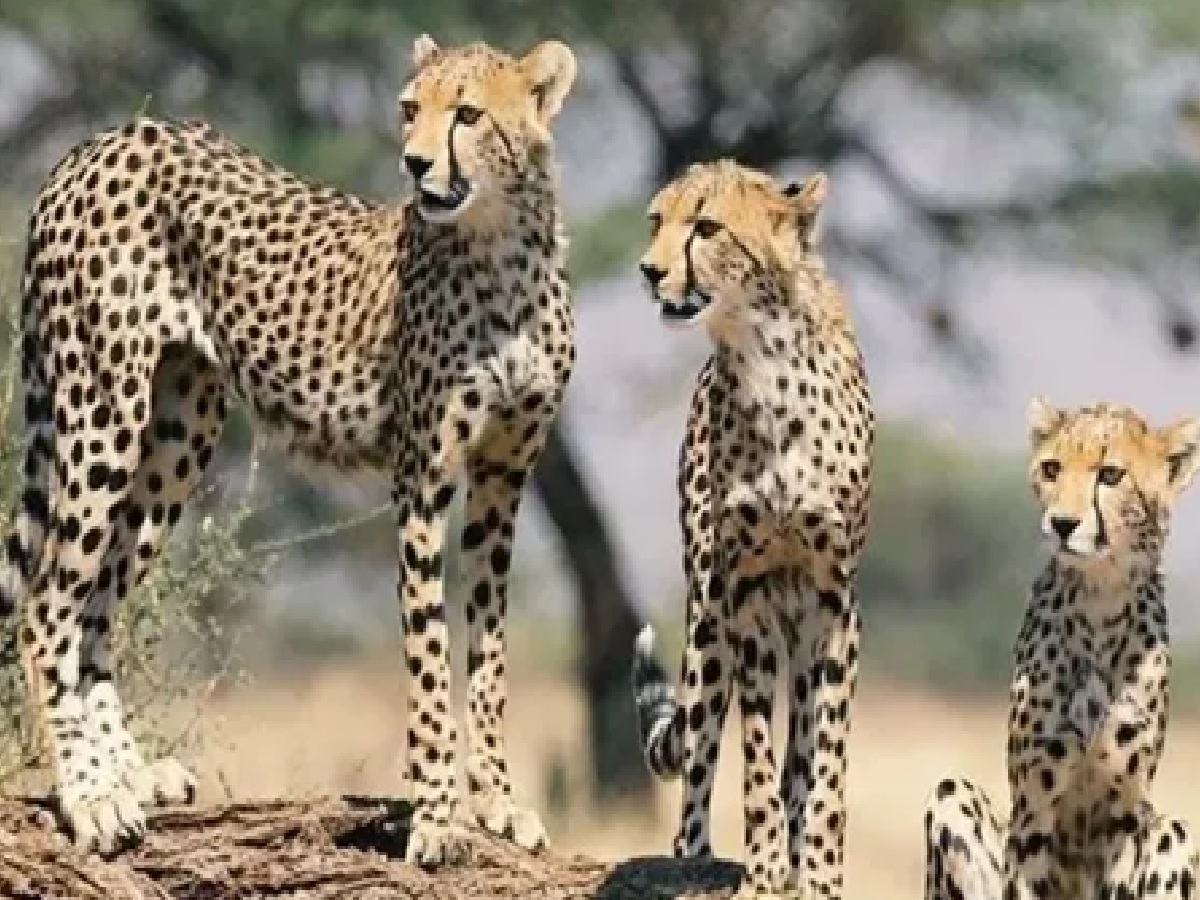
The ambitious 'Project Cheetah' is set for a major expansion as South Africa has officially agreed to provide India with 6 to 8 additional cheetahs. This diplomatic breakthrough follows successful high-level discussions between the Indian Ministry of Environment, Forest and Climate Change and South African authorities. The move comes on the heels of the program's notable success in re-establishing the species in the Indian wild, with the Kuno National Park poised to serve as the primary launching pad and acclimation hub for the incoming batch.
Kuno and Gandhi Sagar: The Heart of the Cheetah Heartland
Kuno Sanctuary in Madhya Pradesh continues to be the cornerstone of India’s rewilding efforts. With 53 cheetahs currently thriving across Kuno and the Gandhi Sagar Sanctuary, officials are meticulously preparing the necessary infrastructure to welcome the new arrivals. The success observed in these regions—where cheetahs have demonstrated natural hunting behaviors and successfully navigated open forest landscapes—has provided the data-backed confidence required for the government to scale up the project significantly.
Expanding Habitats: Nauradehi and Banni on the Horizon
As the population grows, the focus is shifting toward establishing a broader range of sustainable habitats. Preparations to integrate the Nauradehi Sanctuary as the third major cheetah habitat in Madhya Pradesh are in their final stages, with a phased relocation of cheetahs from Kuno expected by the end of 2026. Simultaneously, the Banni Sanctuary in Gujarat is being developed as a critical future home for the species, ensuring the cheetahs have vast, protected areas to flourish as they transition from managed enclosures to self-sustaining wild populations.
Regional Interest: Rajasthan’s Push for Cheetah Conservation
The success of the program has ignited interest across neighboring states, with Rajasthan emerging as a key contender for future cheetah relocation. During a recent strategic conference at the Sariska Sanctuary, Rajasthan’s Forest and Environment Minister, Sanjay Sharma, formally requested the inclusion of the state in the project. With studies identifying the Mukundra, Shahgarh, and Bhains Roadgarh sanctuaries as suitable habitats, there is growing momentum to establish an interstate ‘cheetah corridor’ between Madhya Pradesh and Rajasthan, a move that would facilitate natural migration patterns and bolster genetic diversity across the region.




_1587178762_351x234.jpg)
_305727748_351x234.jpg)