Kerala Crackdown on E20 Petrol Adulteration: CM Satheesan Warns Pumps
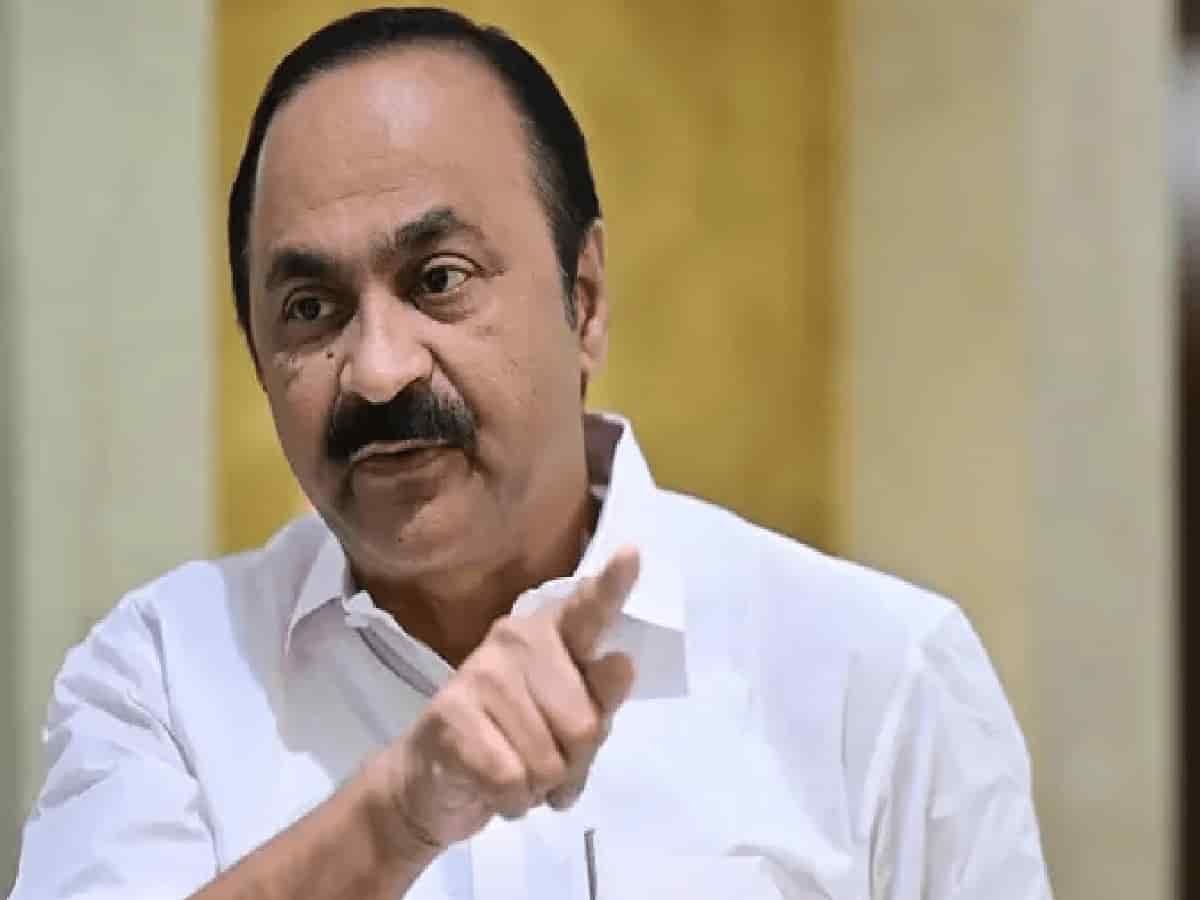
Amid mounting anxiety among everyday motorists and vehicle owners over alleged irregularities in the composition and quality of E20 blended petrol, the Kerala government has launched an intensive enforcement and quality-testing drive across retail fuel outlets statewide. Issuing a categorical warning on Thursday, November 12, 2026, Chief Minister V. D. Satheesan declared that stringent legal action will be initiated against anyone found guilty of fuel adulteration or violating prescribed ethanol blending limits.
The state-level intervention comes in the wake of heightened regional scrutiny after neighbouring Karnataka flagged laboratory findings suggesting ethanol concentrations in certain commercial fuel samples had breached the statutory 20 percent ceiling—reaching between 25 percent and 31.2 percent—and sparking widespread complaints from drivers about mileage drops and engine wear. Reassuring commuters across Thiruvananthapuram, Kochi (Ernakulam), Kozhikode, Kannur, Thrissur, and Kollam, Chief Minister Satheesan emphasized that safeguarding consumer rights and ensuring unadulterated, specification-compliant motor fuel remains a top administrative priority.
Civil Supplies Collects Samples Across Four Key Districts; Lab Results Due in 10 Days
Spearheaded by the Kerala Food and Civil Supplies Department under Minister Anoop Jacob, inspection squads have already collected sealed petrol samples from nine retail fuel pumps across four major districts:
Ernakulam (Kochi): Samples drawn from three fuel outlets (with six one-litre samples collected during checks and dispatched to an accredited analytical chemical laboratory, including testing facilities in Kakinada).
Thiruvananthapuram: Samples collected from two retail outlets.
Kozhikode: Samples collected from two retail outlets.
Kannur: Samples collected from two retail outlets.
To ensure procedural transparency and evidentiary rigor, officials collected the samples in standard metal containers and wooden sample boxes in the direct presence of oil company representatives and pump sales managers. Sharing visuals of the inspection process on social media, Chief Minister Satheesan noted that accredited laboratories will examine both exact ethanol concentration percentages and overall fuel purity parameters, with comprehensive test reports expected within 10 days. He further confirmed that the inspection campaign will not stop at these nine outlets, announcing plans to expand surprise checks to additional districts across Kerala in the coming days.
Understanding the E20 Petrol Controversy and What It Means for Vehicle Owners
Under India’s national Ethanol Blended Petrol (EBP) programme, E20 fuel consists of up to 20 percent ethanol blended with 80 percent conventional petrol (motor spirit)—a policy designed to trim crude oil import bills, lower carbon emissions, and boost domestic biofuel production. While state-run oil marketing companies (IOCL, BPCL, and HPCL) maintain that ethanol blending is executed through automated terminal systems adhering strictly to Bureau of Indian Standards (BIS) norms, automobile owners—particularly those operating older two-wheelers and cars manufactured before E20-compliant engine calibrations became standard—have raised concerns over potential fuel-system corrosion, moisture absorption, and reduced fuel economy if blending ratios exceed the 20 percent threshold.
Although Kerala has recorded no confirmed cases of excess ethanol blending so far, Chief Minister Satheesan and Civil Supplies officials have made it clear that preemptive vigilance will continue relentlessly—and any retail outlet or supplier found tampering with fuel standards will face uncompromising prosecution under Indian consumer and petroleum laws.