

Does Ethanol-Blended Petrol Really Lower Mileage? Union Minister Hardeep Puri Clarifies
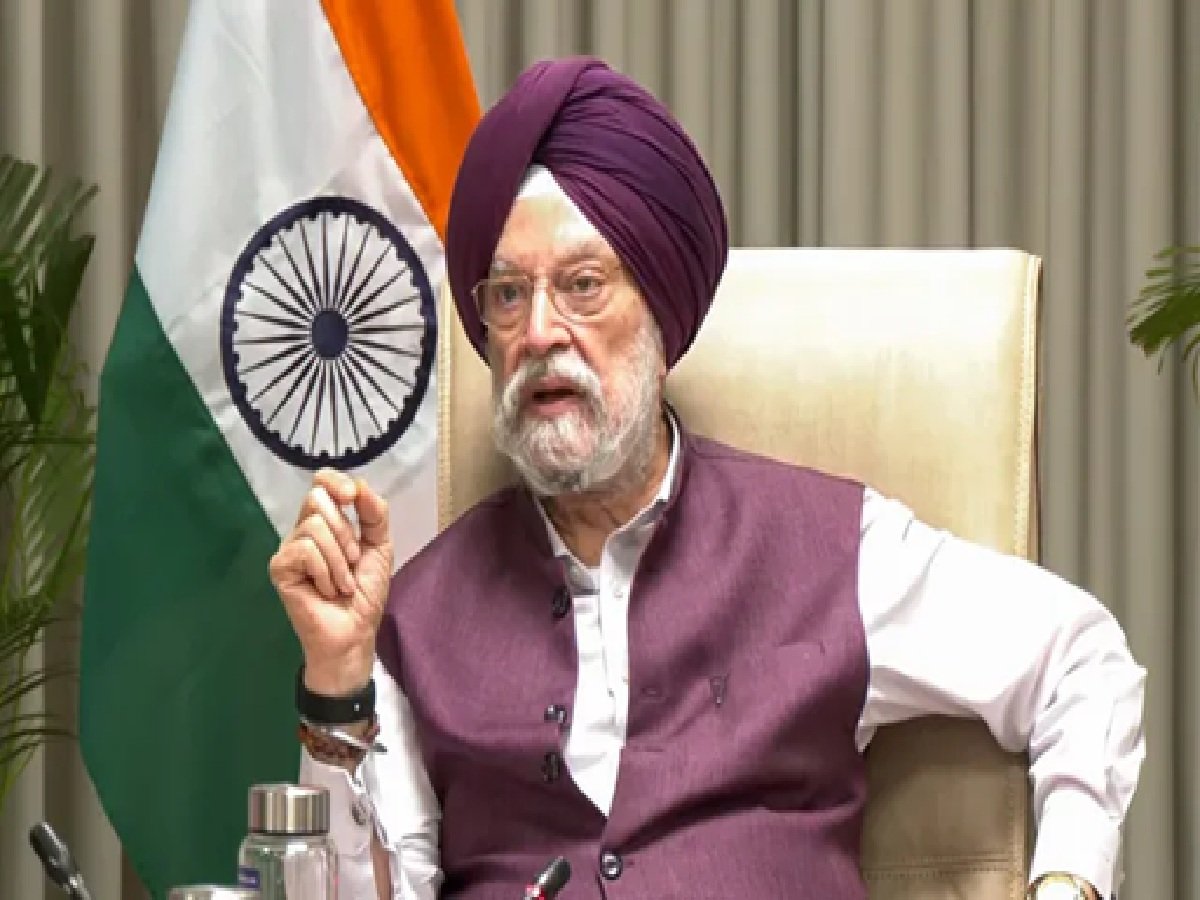
Amidst the ongoing national discourse regarding the impact of ethanol blending on vehicle performance, Union Petroleum Minister Hardeep Singh Puri has provided a definitive response. Addressing concerns about fuel efficiency, the Minister emphasized that ethanol is a proven component in high-performance racing cars, where it is utilized to significantly enhance acceleration. While acknowledging the potential for a marginal decrease in mileage, Minister Puri noted that there are multifaceted factors influencing vehicle efficiency and urged the public not to succumb to misinformation. He reaffirmed that the government’s push for biofuels is grounded in scientific rigor and extensive consultations with industry bodies like SIAM and ARAI.
Debunking Myths: Insurance and Engine Performance
Addressing the rumors regarding vehicle insurance coverage for ethanol-compatible cars, the Petroleum Minister categorically dismissed these claims as baseless. He questioned the motive behind spreading such misinformation, highlighting that insurance providers have already confirmed no such issues exist for vehicles using blended fuel. Furthermore, the Minister explained that ethanol improves engine "knocking" characteristics, which contributes to a smoother driving experience. He suggested that while slight variations in fuel efficiency may occur, attributing these solely to ethanol is a reductionist view that ignores broader automotive engineering variables.
India’s Roadmap: Moving Beyond E-20
Clarifying the current status of India’s biofuel policy, Minister Puri stated that the country is currently operating at a 20 percent ethanol blending (E-20) level. He emphasized that any future transition toward E-25 or higher blends would only be implemented after rigorous safety and performance testing. The Minister highlighted that India’s vast automotive market has the capacity to accommodate a diverse ecosystem of technologies, including Electric Vehicles (EVs), hybrid engines, CNG, and advanced biofuel-powered vehicles. This collaborative approach ensures that the country can meet its energy security goals without compromising consumer choice or vehicle longevity.
Oil Marketing Companies and the Global Price Crisis
The Minister’s remarks also shed light on the financial strain faced by state-owned Oil Marketing Companies (OMCs) during the recent geopolitical instability in the Middle East. Due to the sharp rise in global crude oil prices, OMCs incurred a staggering loss of ₹74,781 crore by selling petrol, diesel, and LPG at prices below cost until June 30, 2026. The cumulative under-recovery for the April-June 2026 quarter reached ₹1,88,871 crore. Minister Puri explained that despite a recent cooling in international crude prices, companies are currently processing high-cost inventory purchased at the height of the crisis. Regarding a potential reduction in retail fuel prices, the Minister expressed optimism, noting that if the current downward trend in global prices holds steady for the next two to three months, relief for consumers could be on the horizon.




_1587178762_351x234.jpg)
_305727748_351x234.jpg)