Delhi Liquor Policy Reset: Rekha Gupta Govt Ready to Roll Out Tech-Driven Excise System
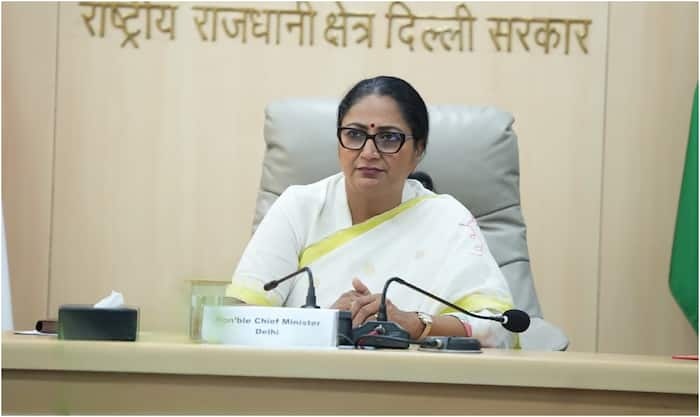
Following the recent launch of its ambitious Electric Vehicle (EV) Policy, the Rekha Gupta-led Delhi government is now gearing up to finalise a comprehensive overhaul of its liquor retail framework. The high-level expert committee has submitted its blueprint to the administration, and the Cabinet is now seeking public feedback and stakeholder suggestions. The new policy shifts toward full accountability, aiming to clean up the capital's liquor trade by eliminating illegal smuggling networks and increasing state revenue.
End of Tax Evasion: Digital Supply Chain Tracking Set to Plug Revenue Leaks
The initial draft shows the upcoming excise regime will rely heavily on advanced technology to prevent financial leakages. The Excise Department will implement a real-time, end-to-end digital tracking system to monitor the entire liquor supply chain, including distillery inventory, transit logistics, and point-of-sale cash flows. By tightening the licensing architecture and integrating automated stock audits, the government aims to significantly reduce tax evasion and black marketing in the national capital's liquor trade.
Stricter Security Near Vends to Safeguard Women and Public Dignity
Beyond structural economics, the Rekha Gupta administration is prioritising public safety and social governance. In response to recurring citizen complaints regarding public discomfort, the government is introducing strict geo-fencing regulations for all state-managed liquor shops. The draft suggests a major re-evaluation of current vend locations to ensure they do not disrupt high-traffic public squares, school zones, or residential communities, creating a safer and more dignified urban environment for women passing through these areas.
Zero Tolerance for Open Drinking and Street Chaos Outside Shops
The upcoming policy includes strict legal provisions to address street nuisance, public drinking, and crowds gathering outside retail outlets. Local municipal bodies and police units will gain enhanced enforcement powers to monitor neighbourhood safety standards and penalise open-air violations. Rather than a simple revenue document, the final cabinet draft reframes the excise code as a socially responsible governance system that balances public order with transparent corporate management.



_1587178762_351x234.jpg)
_305727748_351x234.jpg)