Congress Slams Pak SCO Invite After Pahalgam Attack
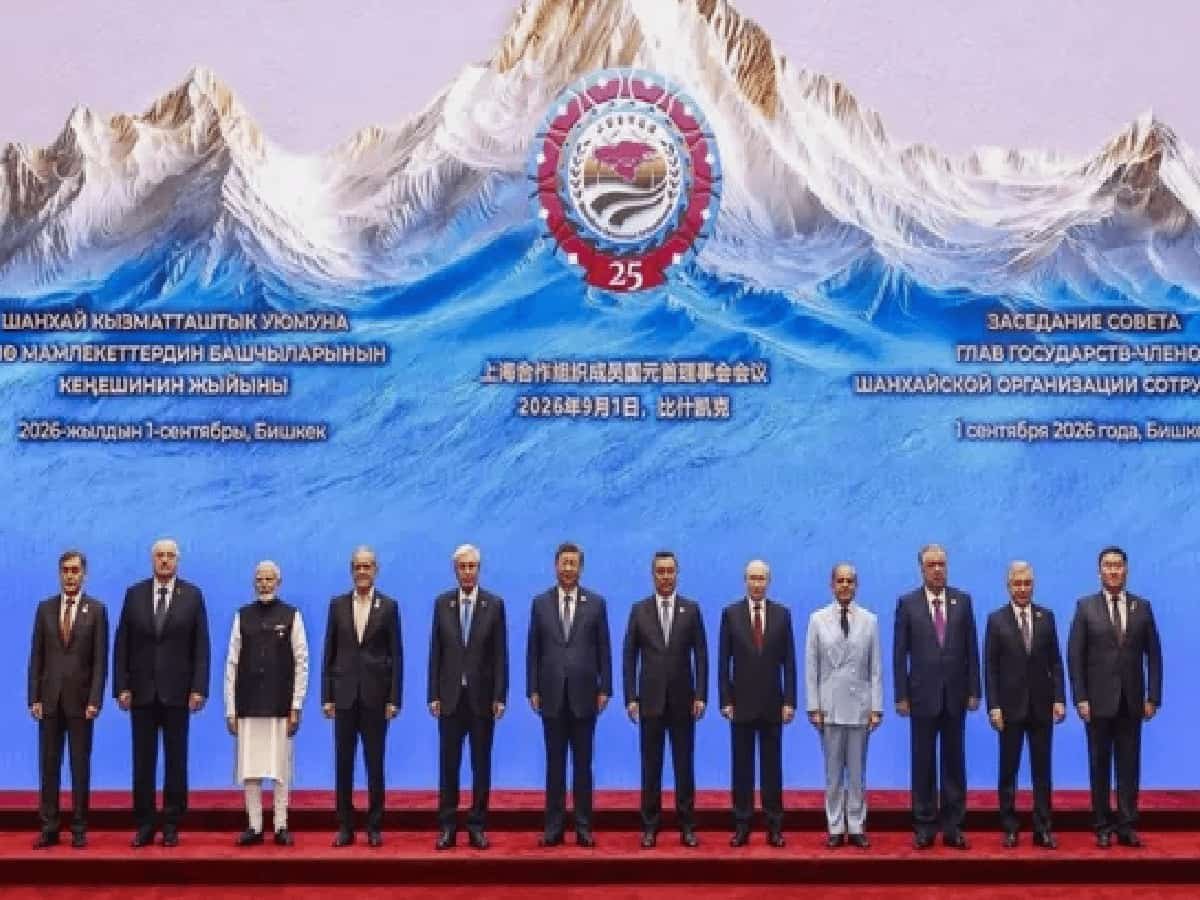
A major diplomatic and political storm has erupted in New Delhi following Islamabad's official confirmation that it will participate in the upcoming Shanghai Cooperation Organisation (SCO) event hosted by India. Pakistan announced that its Climate Change Minister, Musadik Malik, will travel to New Delhi to attend the high-profile multilateral gathering scheduled at the historic Purana Qila from November 20 to November 22, 2026.
While the Ministry of External Affairs maintained that extending invitations to all member nations is standard protocol for multilateral forums, the decision has drawn fierce criticism from domestic opposition parties, who have questioned the central government's strategic posture in light of ongoing cross-border security concerns.
A Historic Visit Amid Lingering Tensions
This upcoming ministerial visit marks a significant moment in bilateral optics, representing the first time a Pakistani minister has been invited to set foot in India for an official event since the military clashes and strategic recalibrations following Operation Sindoor in mid-2025.
According to an official statement released by Pakistan's Foreign Ministry, the delegation's participation centers on discussions regarding civilizational dialogue, cultural understanding, and regional cooperation within the SCO framework. The statement emphasized that Islamabad remains committed to fostering people-to-people contacts and multilateral dialogue under the auspices of mutual respect. However, the diplomatic optics of welcoming a Pakistani representative have ignited immediate domestic friction.
Opposition Parties Launch Sharp Attacks on Central Policy
Leading the political charge, senior Congress leaders voiced intense skepticism over the timing and rationale behind the invitation. Congress MP Manish Tewari questioned the consistency of India's foreign and security policy, explicitly referencing the tragic terror incidents in Kashmir.
"As far as the SCO is concerned, it is a multilateral forum where representatives from all member countries will be present; there is nothing unusual about that," Tewari noted. "The main question is, what has actually changed from the terrorist attack in Baisaran and Pahalgam – where innocent people were targeted and killed in the name of religion – to November 2026?"
Echoing these concerns, former External Affairs Minister and Congress leader Salman Khurshid criticized the ruling administration for alleged ambiguity in its diplomatic stance toward Islamabad. Khurshid argued that the government lacks a transparent, consistent policy regarding cross-border engagement, demanding that authorities clearly articulate their red lines to the public.
The Ruling Coalition Defends Multilateral Protocols
In response to the mounting political backlash, leaders from the ruling Bharatiya Janata Party (BJP) defended the government's approach, emphasizing adherence to international multilateral obligations and highlighting Pakistan's internal turmoil.
Senior BJP leader Dilip Ghosh asserted that it is in Pakistan's own national interest to abandon state-sponsored terrorism and mend its ties with its neighbors. "Pakistan should improve its relations with India for its own benefit. If they choose to keep fighting, it will lead to their own destruction," Ghosh remarked, pointing to internal law and order challenges across the border.
Earlier, Union Culture Minister Gajendra Singh Shekhawat had expressed optimism regarding Pakistan's participation, reminding observers that shared historical roots dating back to the partition of the subcontinent underline the importance of cultural dialogue, even amidst geopolitical friction.
Understanding the Shanghai Cooperation Organisation (SCO)
The Shanghai Cooperation Organisation, established in 2001 by leaders from Russia, China, and Central Asian republics, expanded its footprint in 2017 when India and Pakistan joined as permanent member states. Over the years, New Delhi has consistently utilized the SCO platform to press for robust regional counter-terrorism cooperation, urging member states to dismantle terror networks and choke financial lifelines without adopting double standards.
As delegations prepare to converge on New Delhi for the Purana Qila summit, the political debate highlights the enduring complexity of balancing international multilateral commitments with domestic security sensitivities.