Centre Strict on Delhi-NCR Air Pollution Crisis
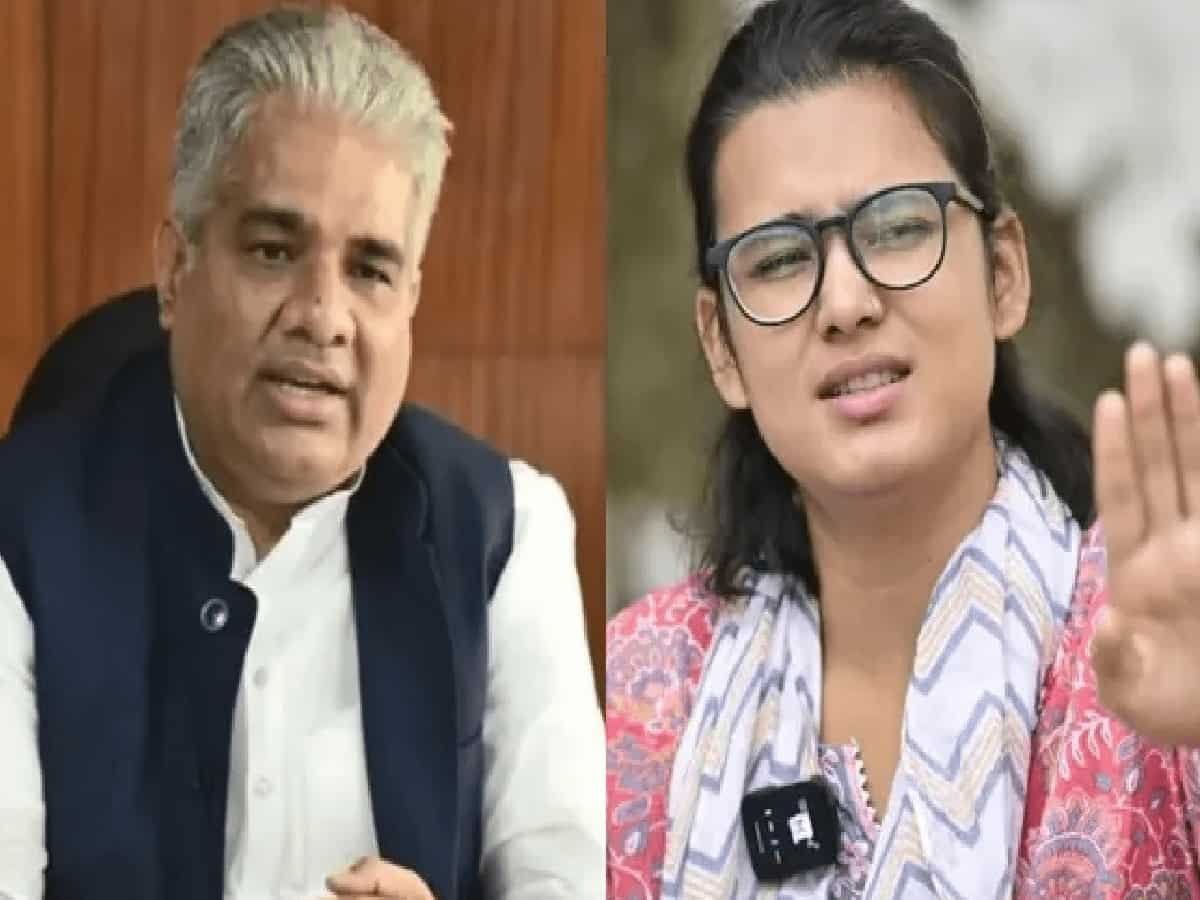
As winter deepens across northern India and the Air Quality Index (AQI) in the National Capital Region (NCR) frequently slips into hazardous zones, public pressure and advocacy for aggressive environmental intervention have reached a fever pitch. In response to rising civic concern, the Union Ministry of Environment, Forest and Climate Change has issued a formal reply addressing a high-profile letter written by All India Students’ Association (AISA) president Neha Bora regarding the alarming deterioration of air quality in Delhi and neighboring urban belts.
The Ministry’s official response makes it clear that combating toxic smog is a top-tier administrative priority for the central government. Despite Union Environment Minister Bhupender Yadav currently leading India's delegation at the United Nations Climate Change Conference (COP 31) in Turkey, the central machinery is actively monitoring ground-level enforcement, deploying senior bureaucratic oversight, and coordinating inter-state mitigation strategies.
Ministry Responds to Neha Bora’s Appeal on Air Quality
The correspondence stems from an email representation submitted by Neha Bora on November 12, 2026, requesting immediate central intervention and an audience with the Union Environment Minister. The appeal was part of a broader civil society push backed by prominent climate advocates, including warrior mom Bhavreen Kandhari, cancer survivor and environmental policy advocate Urvashi Prasad, and anti-pollution campaigner retired Captain Ashish Jacob.
Taking prompt cognizance of the communication, the Union Environment Ministry clarified that Environment Minister Bhupender Yadav has maintained continuous oversight of the crisis. Even while attending crucial international climate negotiations abroad, the Minister has been holding regular review sessions with state administrations, municipal bodies, and regulatory agencies to ensure that clean-air protocols are aggressively enforced across northern India.
Ground-Level Action: Senior Officers Deployed Across NCR Cities
One of the most significant updates detailed in the Ministry's response is the shift from bureaucratic paperwork to strict ground-level execution. During a high-level review meeting chaired by Minister Yadav on November 14, 2026, clear and uncompromising instructions were issued to all NCR state governments: pollution control measures must not remain restricted to files and conference rooms.
To ensure absolute compliance, the central government has directed the deployment of senior Secretary-level officers to every major city across the Delhi-NCR region. These designated administrative watchdogs are tasked with physically monitoring local anti-pollution regulations, inspecting construction sites, verifying dust-mitigation protocols, checking vehicular emissions, and ensuring that municipal bodies take immediate corrective action against violators.
CAQM Coordinates Inter-State Strategy Across Five States
Tackling regional air pollution requires seamless cooperation across political boundaries, as atmospheric smog respects no state lines. The Commission for Air Quality Management (CAQM) is spearheading this multi-state coordination.
The CAQM is actively bridging policies and enforcement efforts across five key jurisdictions: Delhi, Punjab, Haryana, Uttar Pradesh, and Rajasthan. By aligning agricultural residue management, industrial emission caps, diesel vehicle restrictions, and road-sweeping schedules, the commission aims to curb seasonal pollution spikes at their source rather than relying solely on reactive measures after smog blankets the capital.
Minister Bhupender Yadav Leads India at COP 31 in Turkey
Addressing queries regarding the Minister's physical presence during the domestic crisis, the Environment Ministry confirmed that Union Minister Bhupender Yadav is currently in Turkey, where he is heading the official Indian delegation at the UN Climate Change Conference (COP 31).
While representing India on the global stage and advocating for climate justice, equitable green financing, and sustainable development frameworks, Minister Yadav has maintained a direct communication channel with domestic officials. Daily briefing reports on Delhi's AQI fluctuations, stubble-burning incidents, and municipal action taken reports are regularly transmitted to his office abroad, ensuring that national emergency response protocols remain active without interruption.
A Collective Fight for Clean Air
The exchange between civil society advocates and the Union Environment Ministry underscores the mounting urgency surrounding India's urban air quality challenge. With central oversight tightened, senior bureaucrats deployed on the ground, and multi-state coordination underway through the CAQM, the upcoming weeks will test the efficacy of these administrative safeguards. For millions of residents living across the Delhi-NCR belt, these rigorous enforcement measures represent a vital step toward reclaiming breathable skies and safeguarding public health.