16 Documents Including PAN & Voter ID Fail to Prove Citizenship: Guwahati High Court’s Landmark Ruling
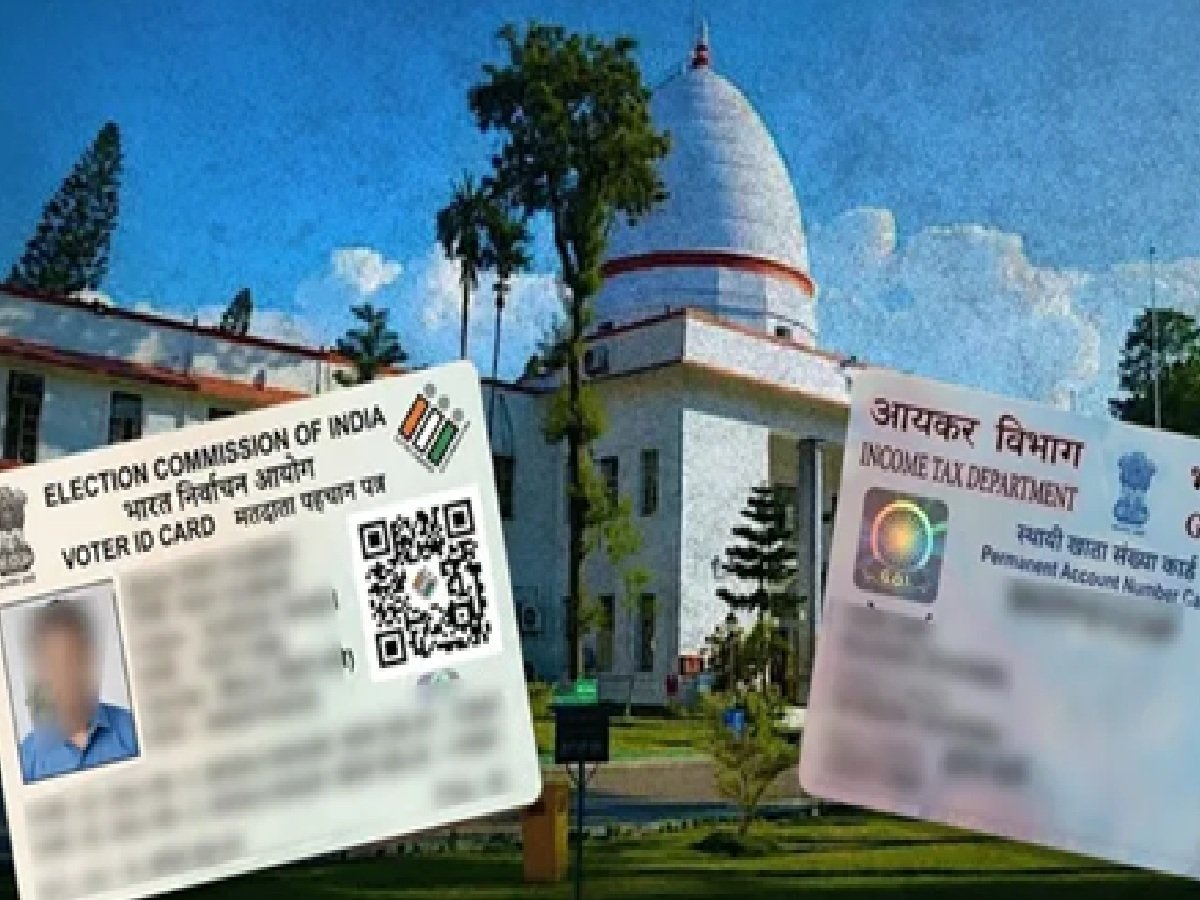
In a major legal development that underscores the rigorous standards for proving Indian nationality, the Guwahati High Court has upheld a decision declaring a man a 'foreigner' under the Foreigners Act, 1964. Despite the petitioner, Aminul Haque, submitting 16 different documents—including his PAN card, voter ID, and school certificates—the court ruled that these papers were insufficient to legally establish his citizenship. The bench, comprising Justices Kalyan Rai Surana and Shamima Jahan, emphasized that the burden of proving identity lies solely with the individual, especially when citizenship is under scrutiny.
The Burden of Proof Lies with the Individual
The Guwahati High Court’s ruling reinforces the interpretation of Section 9 of the Foreigners Act, 1964. The court clarified that when a person’s nationality is questioned, the onus is entirely on the individual to provide irrefutable proof of their Indian roots. In this case, the court observed that merely presenting a collection of documents does not automatically equate to legal citizenship, particularly when there are unexplained discrepancies, gaps in records, or a failure to link these documents to the individual’s lineage in a legally binding manner.
Why 16 Documents Were Not Enough
Aminul Haque’s petition rested on a wide array of evidence, including copies of the 1951 National Register of Citizens (NRC), voter lists dating from 1966 to 2017, land purchase deeds from 1973, and his own identity documents. However, the court found significant flaws in his submission. The petitioner failed to provide a consistent trail of residence. The court highlighted that his family's records were scattered across three different villages—Dobakura, Ghugudoba, and Hashdoba—without credible documentation to explain the movement or link the family consistently over the decades. The court dismissed the oral testimony of his father, stating that verbal claims, without solid supporting evidence, cannot establish a father-son relationship in such sensitive citizenship matters.
Scrutinizing Documentation and Oral Testimony
The legal battle also touched upon discrepancies in names across various documents. While the petitioner’s counsel argued that these were minor spelling errors typical for a migrant worker, the court remained unconvinced. Furthermore, a school leaving certificate submitted from 2017 was rejected because the headmaster who issued it was not produced in court to testify to its authenticity. The court ultimately concluded that the petitioner’s narrative was inconsistent and failed to fill the critical gaps required to prove his status as an Indian citizen. This ruling serves as a stern reminder of the legal necessity for document accuracy and continuity in citizenship verification processes in Assam.




_1587178762_351x234.jpg)
_305727748_351x234.jpg)