Priyanka Tiwari
 Share
Share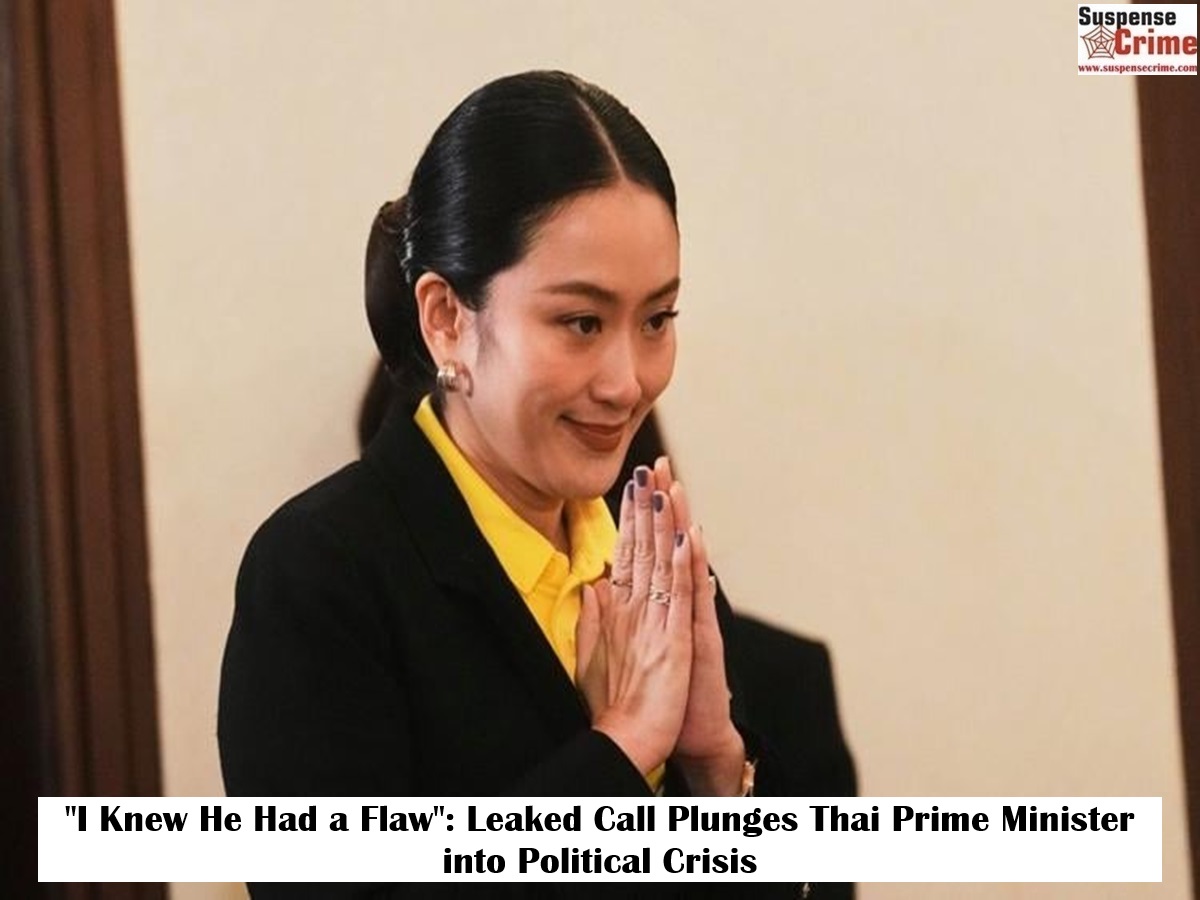
Suspense crime, Digital Desk : Thailand's Prime Minister, Srettha Thavisin, is fighting for his political survival after a secret 17-minute phone call was leaked to the public, appearing to catch him knowingly appointing a legally questionable figure to his cabinet. The explosive recording has fueled a constitutional crisis and sparked widespread demands for his resignation.
The scandal centers on Srettha's appointment of Pichit Chuenban, a lawyer with a controversial past. In 2008, Pichit was jailed for attempting to bribe Supreme Court officials with a "lunchbox of cash" containing 2 million baht (around $54,000). According to Thailand’s constitution, this past conviction could make him legally ineligible to hold a cabinet position.
Despite these clear red flags, the Prime Minister appointed him. This prompted a group of 40 powerful senators to file a formal complaint with the Constitutional Court, seeking the removal of both Srettha (for making the appointment) and Pichit (for accepting it).
The newly leaked phone call has thrown gasoline on the fire. In the recording, Prime Minister Srettha is allegedly heard discussing the appointment and acknowledging Pichit's "flaw." He seems to express uncertainty about Pichit's eligibility but suggests he is moving forward with the decision anyway, even mentioning the influential former Prime Minister Thaksin Shinawatra, a key power broker in Thai politics.
Critics argue the audio is a smoking gun, proving that Srettha was fully aware of the constitutional risks but chose to proceed, possibly under political pressure.
In an attempt to control the damage, Pichit has since resigned from his post to "protect the Prime Minister." However, it may be too little, too late. The Constitutional Court is continuing its investigation into Srettha's actions. What began as a questionable cabinet choice has, thanks to a leaked phone call, spiraled into a serious threat to the Prime Minister’s leadership and the stability of his government.
Read More: US Military Recruitment Crisis Pentagon Rethinks Standards Amid Global Tensions