


Why the Non-Dairy Substitute Was Prohibited and Simple Ways to Identify Real Paneer at Home
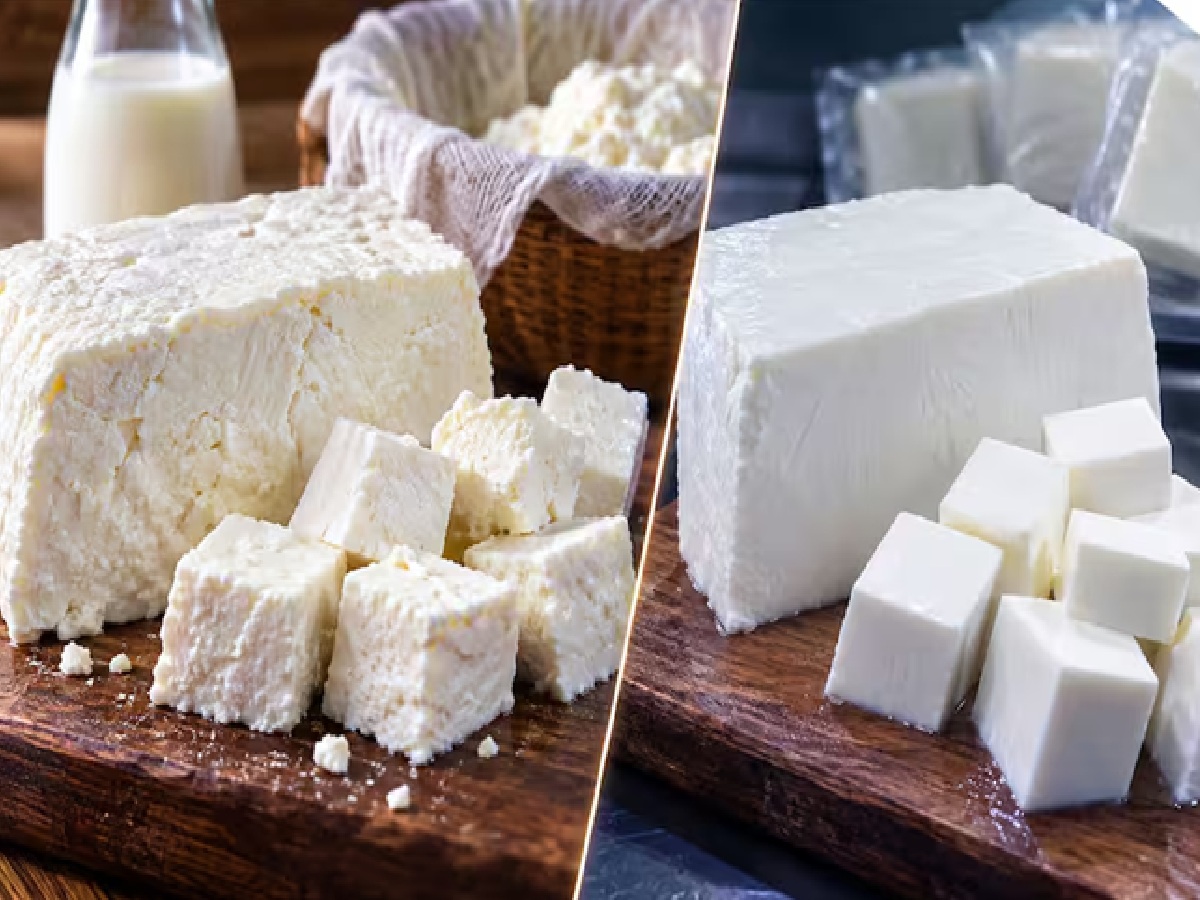
The Maharashtra government has implemented a comprehensive, state-wide ban on the manufacturing, processing, packaging, storage, transport, and sale of analogue paneer, marking a monumental step toward consumer protection and public food safety. Driven by extensive market monitoring and inspection drives conducted by the Food and Drugs Administration (FDA), authorities discovered widespread malpractices involving non-dairy substitutes being deceptively passed off as authentic dairy paneer. With over a third of tested samples failing baseline safety standards, the government has cracked down hard on deceptive commercial practices to safeguard citizens from severe health hazards.
Understanding Analogue Paneer and the Health Risks Behind Its Production
Unlike traditional paneer derived purely from milk, analogue paneer is an artificial, non-dairy substitute manufactured using cheaper ingredients such as refined vegetable oils, starch, chemical emulsifiers, and various food additives. Because of its low-cost formulation, it lacks the essential nutritional value and protein content found in genuine dairy products. More alarmingly, these substitutes frequently contain high levels of hydrogenated fats, saturated fats, and trans fats, which pose long-term risks to cardiovascular health, contribute to elevated cholesterol levels, and promote systemic inflammation. The FDA's year-long probe revealed that local restaurants, hotels, and food vendors frequently utilized these cheap substitutes without notifying consumers, prompting the strict one-year ban alongside warnings of heavy penalties, including jail terms and fines scaling up to ₹10 lakh for violators.
Practical Tips for Consumers to Identify Real Paneer
With counterfeit and substitute products heavily circulating in commercial markets, food safety experts have outlined simple methods for everyday shoppers to distinguish authentic paneer from chemical substitutes:
Examine the Texture: Genuine dairy paneer is naturally soft, moist, and slightly crumbly to the touch, whereas analogue paneer typically feels artificially rubbery, overly firm, or bouncy due to added starches and oils.
Assess Taste and Aroma: Real paneer features a subtle, fresh, and milky flavor profile, while artificial variants often leave an oily residue or an unnatural chemical aftertaste on the palate.
Perform the Heating Test: When cooked or subjected to heat, real paneer softens comfortably, whereas analogue paneer tends to harden, melt strangely, or turn excessively chewy because of its oil and vegetable fat content.
Scrutinize Food Labels: Always check product packaging and ingredient lists; authentic paneer lists pure milk or dairy solids as its primary source, whereas substitutes explicitly reveal vegetable oils and synthetic additives.



_1017940024_351x234.jpg)
_1710951429_351x234.jpg)
_707133823_351x234.jpg)
_1964009516_351x234.jpg)