


Stop Worsening Your Joint Pain: 6 Dangerous Mistakes People Make When Dealing With Knee Pain and How to Fix Them
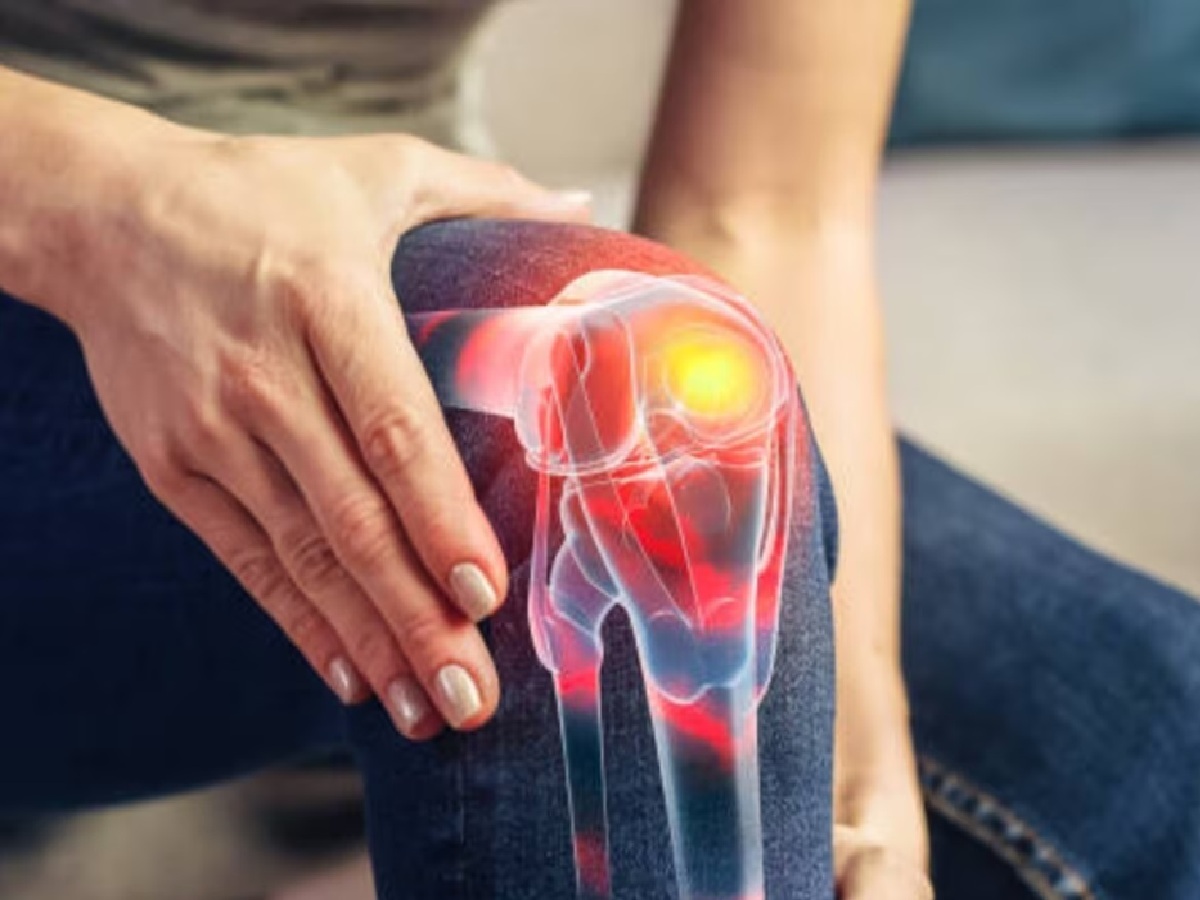
Knee pain has evolved into a widespread health concern, plaguing not only senior citizens above 60 but increasingly trapping young adults in their 30s and 40s. While stiffness and joint discomfort severely disrupt daily routines, medical experts and physiotherapists point out that the real danger often stems from incorrect coping mechanisms rather than the underlying condition itself. When faced with joint aches, individuals frequently resort to instinctive habits that inadvertently accelerate cartilage breakdown, weaken supporting muscles, and amplify inflammation, making it vital to identify and correct these six common blunders immediately.
1. Falling Into the Complete Rest Trap
When knee pain strikes, the immediate reaction for most people is to halt all physical movement and stay confined to the bed or couch. However, physiotherapists warn that absolute rest is one of the most damaging things you can inflict on your joints. Complete inactivity causes the quadriceps—the critical muscles surrounding the knee—to weaken rapidly within just a few days. According to a 2019 study published in the Indian Journal of Orthopaedics, sedentary behavior is a primary catalyst for escalating knee discomfort among adults over 40. When your quads lose strength, they fail to absorb shock, placing excessive load directly onto the joints. Instead of total rest, experts recommend light mobility exercises like short walks, straight-leg raises, and stationary cycling to maintain blood circulation and foster healing.
2. Applying Heat to Swollen and Inflamed Joints
A common knee-care mistake involves reaching for a heating pad or a hot water bottle the moment joint warmth, swelling, and throbbing pain set in. Applying heat increases blood circulation to an area that is already experiencing active inflammation, which further exacerbates the swelling. Medical guidance dictates a simple rule: if the joint is tight or jammed, warm compresses help loosen the stiffness; however, if the knee is visibly swollen or hot to the touch, cold therapy is essential. Wrapping ice in a cloth and applying cold compresses for 15 to 20 minutes helps constrict blood vessels and bring down acute swelling safely.
3. Habitual Cross-Legged Floor Sitting
Cultural and traditional lifestyle practices in many Indian households—such as sitting cross-legged on the floor for meals, prayers, or casual gatherings—place immense structural strain on the lower limbs. Bending and locking your knees in a fixed position for 20 to 30 minutes exponentially increases intra-articular pressure. For individuals vulnerable to early cartilage wear, meniscus issues, or osteoarthritis, this seemingly harmless habit accelerates joint degradation quietly and gradually. Healthcare professionals advise avoiding prolonged cross-legged sitting or using elevated support to protect vulnerable knees.
4. Ignoring Body Weight and Poor Posture
Weight management and structural alignment are foundational to joint health, yet they are frequently overlooked during pain management regimens. Research compiled by the Arthritis Foundation highlights a staggering biomechanical reality: for every single extra kilogram of body weight you carry, your knees absorb an additional four kilograms of pressure with every single step you take. Relying solely on temporary remedies while ignoring excess body weight and slouching posture means the root mechanical stressor remains unaddressed, continuously grinding down the joint cartilage over time.
5. Adopting Incorrect Squatting Postures
Daily lifestyle demands, such as using traditional Indian-style toilets, sitting low to cook, or resting on low-height cots and stools, require frequent squatting motions. When executed with improper body mechanics, these routine activities place immense, concentrated pressure on the patellofemoral joint. Experts clarify that you do not necessarily need to abandon cultural habits or traditional home layouts; rather, the key lies in learning proper ergonomic posture, distributing body weight evenly, and engaging core and leg muscles correctly to safeguard the knees from sudden stress fractures and wear.
6. Relying on Long-Term Painkillers as a Permanent Fix
Popping over-the-counter painkillers offers quick relief, leading many sufferers to make medication their default long-term strategy for chronic knee pain. However, analgesics merely block pain signals traveling to the brain; they do not treat the root cause, nor do they reverse structural damage, poor posture, or weak musculature. Masking the discomfort with prolonged painkiller use tricks the body into overexerting the joint, allowing the underlying damage to worsen invisibly day by day until it requires aggressive medical intervention.



_1017940024_351x234.jpg)
_1710951429_351x234.jpg)
_707133823_351x234.jpg)
_1964009516_351x234.jpg)