


Say Goodbye to Daily Statins? Breakthrough Gene Therapy 'VERVE-102' Cuts Bad Cholesterol by 62% With Just One IV Injection
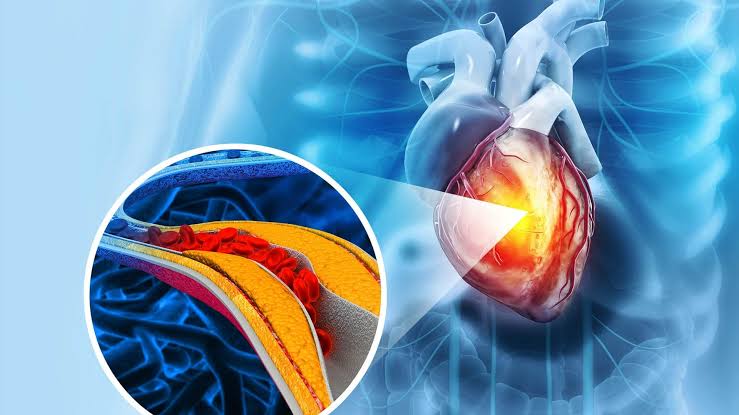
Cardiovascular diseases remain one of the leading causes of mortality worldwide, claiming millions of lives annually across the UK, US, and India. Millions of patients rely on daily statins to manage elevated LDL (bad) cholesterol, yet adherence remains a persistent hurdle due to side effects like muscle pain or the sheer fatigue of lifelong daily medication. However, a groundbreaking medical breakthrough from London-based researchers is poised to change modern cardiology forever: an experimental gene therapy named VERVE-102.
The Promise of VERVE-102: A Single IV Dose
Unveiled in The New England Journal of Medicine, early clinical trial results indicate that a single administration of VERVE-102 through an IV drip can dramatically slash bad cholesterol levels and maintain that reduction for up to a year. Unlike traditional daily medications, this innovative therapy works by permanently altering the specific genes in the body that control cholesterol production.
Lowering LDL cholesterol effectively curtails the dangerous buildup of fatty plaque inside arterial walls, significantly mitigating the long-term risk of heart attacks and strokes. Leading medical experts, including Professor Riaz Patel—a clinical academic at University College London (UCL) and consultant cardiologist at Barts Health and UCLH—have hailed the development as a monumental achievement, confirming that the technology is safe and functionally robust in early trials.
The Global Crisis of High Cholesterol and Medication Fatigue
Elevated LDL cholesterol is a primary driver of cardiovascular fatalities. Currently, over 7 million individuals in the UK and 40 million in the US depend on statins to keep their risk profiles in check. The situation is equally critical in nations like India, where cardiovascular diseases and strokes account for nearly 3.5 to 4 million deaths annually—representing roughly 28% to 30% of all deaths nationwide.
Despite the life-saving nature of statins, clinical data shows that nearly half of all patients discontinue their cholesterol medication within the first year. This drop-off is driven primarily by the burden of daily pill consumption and adverse side effects, particularly muscle pain. A one-time therapy like VERVE-102 could completely bypass these adherence issues by offering long-term protection from a single clinical visit.
How Does This Gene Therapy Work?
The early-stage trial evaluated 35 adult patients suffering from heterozygous familial hypercholesterolemia (a hereditary condition causing dangerously high cholesterol) or early-onset coronary artery disease. Participants were administered one of six graded doses of VERVE-102, utilizing RNA as a genetic messenger.
The clinical outcomes were remarkable:
At the highest administered dose, the therapy successfully reduced LDL cholesterol by 62%.
Even at the lowest dose (0.3 mg per kilogram), a noticeable reduction of 9% was recorded.
Patients monitored over the longest follow-up durations successfully maintained their lowered cholesterol baselines.
While larger-scale clinical trials are still required to confirm long-term safety and efficacy across broader populations, VERVE-102 offers a tantalizing glimpse into a future where managing cardiovascular risk no longer requires a lifetime of daily pills.

_2093262474_351x234.jpg)

_1017940024_351x234.jpg)
_1710951429_351x234.jpg)
_707133823_351x234.jpg)
_1964009516_351x234.jpg)