Protect Heart and Lungs From Toxic Winter Air

As winter blankets northern India and urban centers like Delhi-NCR in a heavy, toxic haze, millions of residents wake up to familiar discomforts: stinging eyes, raw throats, persistent coughing, and a heavy tightness in the chest. This seasonal crisis is driven by plummeting temperatures paired with trapped vehicular emissions, industrial smoke, and stubble burning, pushing Air Quality Index (AQI) levels into hazardous zones. While staying indoors offers some relief, everyday exposure to polluted air takes a severe, insidious toll on our respiratory and cardiovascular systems.
To combat the rising tide of winter respiratory ailments, noted Ayurvedic expert Acharya Manish has recommended a series of powerful, natural herbs and a specialized homemade herbal decoction designed to cleanse the lungs, soothe inflamed airways, and protect heart health naturally.
How Air Pollution Damages Your Lungs and Heart
When we breathe in polluted winter air, we inhale millions of microscopic airborne toxins, most notably PM2.5 particulate matter. These particles are roughly 30 times smaller than the width of a human hair, making them invisible to the naked eye. Because of their microscopic size, PM2.5 pollutants bypass the body's natural nasal filters, penetrating deep into the delicate alveolar sacs of the lungs and passing directly across the respiratory membrane into the bloodstream.
Once inside the circulatory system, these toxins trigger systemic inflammation, oxidative stress, and endothelial dysfunction. This inflammatory cascade narrows blood vessels, elevates blood pressure, and forces the heart to work significantly harder to oxygenate the body. This physiological strain explains why clinical data consistently records a sharp spike in cardiac events, strokes, and emergency room visits during peak winter pollution episodes. In the lungs, accumulated dust and chemical debris spark chronic irritation, aggravating conditions like asthma, bronchitis, and persistent smoker-like coughs even in non-smokers.
7 Special Ayurvedic Herbs to Cleansing and Strengthen the Lungs
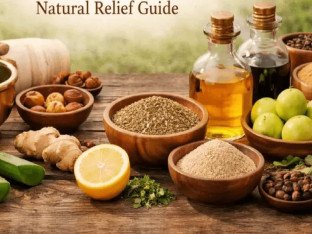
Ayurveda offers a rich repository of botanical remedies designed to detoxify the respiratory tract, expel trapped mucus, and reinforce immune defenses. Acharya Manish highlights seven exceptional herbs that serve as powerful shields against urban pollution:
Fennel (Saunf): Beyond its digestive properties, fennel acts as a gentle systemic cleanser, helping regulate body heat and supporting the elimination of internal toxins.
Tulsi (Holy Basil): Revered as the queen of herbs in Ayurveda, basil is widely considered one of the best natural medicines for lung health. Its active compounds help flush out particulate debris, ease bronchial spasms, and expand air passages.
Cloves (Laung): Cloves contain eugenol, a potent natural anesthetic and anti-inflammatory agent that provides immediate relief to sore, scratchy throats and irritated bronchial linings.
Cardamom (Elaichi): Cardamom acts as a natural decongestant, clearing the upper and lower respiratory tracts to facilitate smooth, unobstructed breathing.
White and Red Sandalwood (Chandan): Both varieties of sandalwood possess cooling (sheetal) properties that soothe internal body heat, reduce inflammation, and calm burning sensations in the chest and throat caused by toxic air.
Licorice Root (Mulethi): Licorice is a legendary Ayurvedic panacea for respiratory ailments. It helps liquefy and loosen stubborn phlegm trapped in the respiratory tract, coating the throat to relieve coughing and restore clear vocal health.
How to Prepare Acharya Manish’s Lung-Cleansing Herbal Tea
To harness the synergistic healing properties of these botanicals, Acharya Manish recommends brewing a simple yet potent herbal tea at home using easily accessible kitchen ingredients.
The Formulation: Combine crushed licorice root, a few fresh basil leaves, crushed cardamom pods, cloves, and a pinch of fennel seeds in a pot of water. For those incorporating sandalwood, a small amount of high-grade sandalwood powder or wood can be added.
The Brewing Process: Allow the mixture to simmer gently on low heat for 10 to 15 minutes, permitting the medicinal essential oils and active compounds to infuse thoroughly into the water. Strain the warm liquid into a cup.
Consumption: Drinking this warm herbal decoction once or twice a day helps detoxify the respiratory tract, soothe inflamed mucous membranes, and provide immediate comfort against the harsh effects of smog.
Lifestyle Precautions to Safeguard Your Respiratory Health
While herbal remedies offer exceptional internal support, combining them with smart daily habits is essential during severe pollution seasons:
Wear N95 Respirators: Always step outdoors wearing a properly fitted N95 or N99 mask to filter out fine particulate matter. Simple cloth or surgical masks offer little to no protection against PM2.5.
Monitor AQI Levels: Check local air quality reports before planning outdoor exercise. Schedule walks or workouts during late morning or afternoon hours when pollution levels temporarily dip, and avoid strenuous outdoor activity during early morning inversions.
Optimize Indoor Air: Keep windows closed during peak pollution hours, use HEPA air purifiers indoors, and introduce indoor plants like Snake Plants, Spider Plants, and Peace Lilies to help naturally filter indoor pollutants.