


H1N1 Cases Rise: IMA issues advisory on swine flu symptoms, antibiotics and warning signs
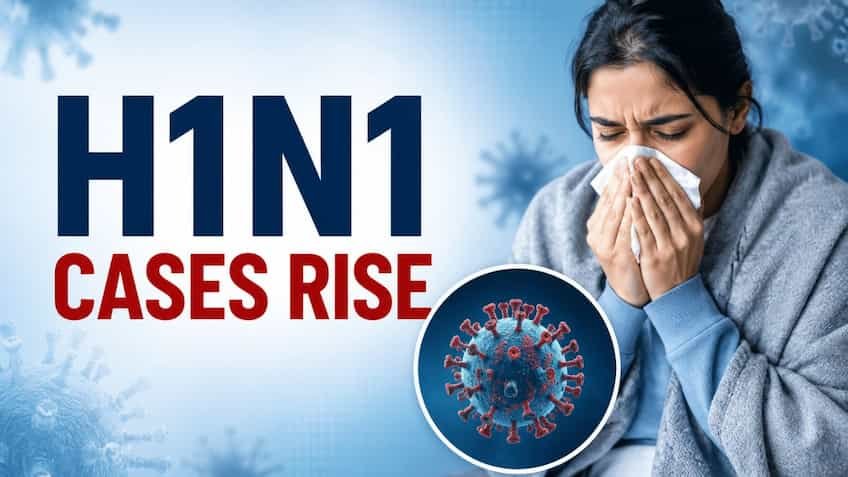
H1N1 Cases Rise: India is witnessing a seasonal surge in Influenza A (H1N1), commonly known as swine flu, during the monsoon season, prompting the Indian Medical Association (IMA) to issue a public health advisory on symptoms, treatment and preventive measures.
According to the IMA, metropolitan centres such as Delhi have reported more than 1,770 laboratory-confirmed H1N1 cases, with infections also being reported from Maharashtra, Karnataka and West Bengal.
The advisory noted that surveillance by the Indian Council of Medical Research (ICMR) indicates that the circulating virus remains seasonal Influenza A (H1N1), with no novel genetic mutations detected. The IMA said that while increased vigilance is required, there is no need for panic as most H1N1 infections are mild and self-limiting.
H1N1 symptoms to watch out for
The IMA said H1N1 generally has a sudden onset and may cause high-grade fever and chills, persistent dry cough, sore throat, severe muscle aches, fatigue, headache and a runny or congested nose.
Some patients may also experience nausea, vomiting or loose stools, with these gastrointestinal symptoms being more common among children.
IMA warns against unnecessary antibiotics
The IMA has strongly cautioned people against taking antibiotics over the counter for flu symptoms.
H1N1 is a viral infection and antibiotics do not work against viruses. The advisory specifically warned against self-medication with antibiotics such as azithromycin, amoxicillin-clavulanate and cefixime.
According to the IMA, indiscriminate antibiotic use during viral outbreaks can damage protective microbiome flora and contribute to antimicrobial resistance (AMR).
Antibiotics should be used only when a qualified doctor diagnoses a secondary bacterial infection based on clinical and laboratory findings.
The IMA also advised people not to self-administer antiviral medicines such as oseltamivir. Such medicines are prescription-only and should be used for specific clinical categories under medical supervision.
H1N1: When to seek emergency medical care?
The advisory listed several warning signs that require immediate medical attention. These include difficulty breathing, shortness of breath, rapid breathing, chest pain or persistent pressure, and bluish discolouration of the lips or fingers.
Coughing up blood, severe drowsiness, confusion, seizures, persistent vomiting and an inability to tolerate fluids are also red-flag symptoms.
For children, inability to feed, lethargy, grunting and severe chest retractions warrant urgent medical attention.
IMA's prevention advice on H1N1
The IMA has recommended regular handwashing with soap and water for at least 20 seconds or using an alcohol-based hand sanitiser.
People should follow respiratory hygiene by covering their mouth and nose with a tissue or bent elbow while coughing or sneezing. The advisory also recommends wearing a well-fitted mask in crowded and enclosed spaces.
Those who are sick should stay away from schools, workplaces and social gatherings until at least 24 hours after their fever has resolved without the use of fever-reducing medicines.
The IMA also strongly advised annual seasonal influenza vaccination for healthcare personnel, pregnant women, elderly people and individuals with underlying chronic medical conditions.
With H1N1 cases rising during the monsoon season, the IMA has urged the public to remain vigilant, avoid self-medication and seek medical advice when symptoms are severe or persistent.

_952994444_351x234.jpg)

_1017940024_351x234.jpg)
_1710951429_351x234.jpg)
_707133823_351x234.jpg)
_1964009516_351x234.jpg)