Green vs. Black Water Chestnuts: Differences & Health Benefits
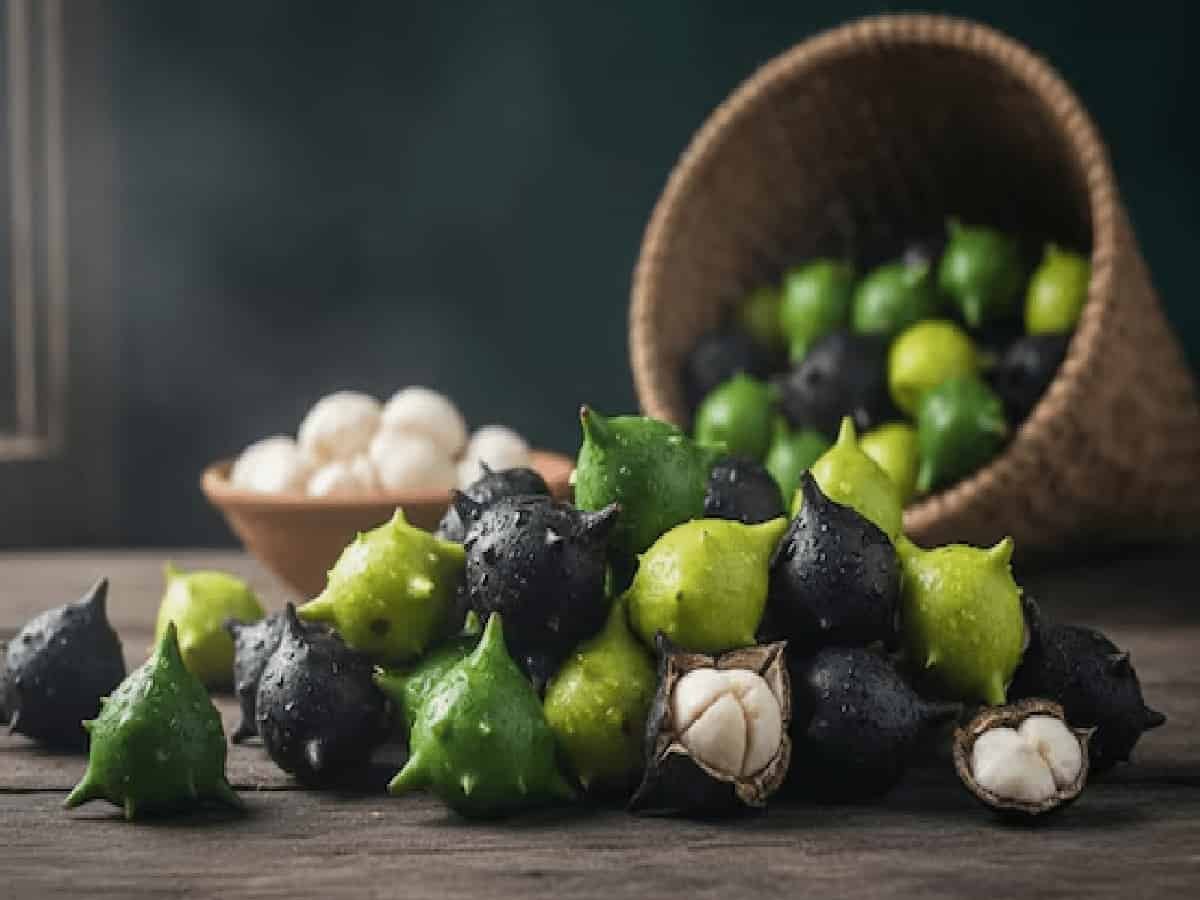
As the winter season sets in, markets come alive with a wide array of seasonal fruits and aquatic produce that offer exceptional nourishment. Among the most cherished winter delicacies is the water chestnut—widely known across India as singhara. This crunchy, refreshing aquatic fruit is not only delicious to snack on but also packs a powerful punch of vitamins, minerals, and dietary fiber.
When shopping for water chestnuts, you will generally encounter two distinct varieties: green water chestnuts and black or dark brown water chestnuts. While both share a similar botanical origin and provide tremendous health advantages, they possess noticeable differences in ripeness, texture, taste, and shelf life. Understanding these differences can help you make the best choice for your culinary and nutritional needs.
Key Differences Between Green and Black Water Chestnuts
Although they belong to the same family, green and black water chestnuts undergo different stages of maturity before reaching the market shelves:
Ripeness and Visual Appearance: Green water chestnuts are harvested earlier, making them fresh and unripe. They feature a vibrant green outer skin and a remarkably high water content. In contrast, black or dark brown water chestnuts are fully ripe. Their husks are thicker, tougher, and deeply pigmented in dark brown or black shades due to prolonged maturation.
Taste and Texture Profile: Because they are younger and retain more moisture, green water chestnuts offer a crisp, mildly sweet, and refreshing flavor. Black water chestnuts, being riper, boast a denser pulp with a slightly sweeter, starchier, and more concentrated taste.
Shelf Life and Storage: Green water chestnuts have a relatively high moisture content, causing them to spoil and lose their crispness quickly. Black water chestnuts feature a slightly longer shelf life because of their thicker protective skins. This durability is why many vendors and merchants prefer storing overripe black water chestnuts to sell them over extended periods during the winter season.
Nutritional Powerhouse: Why Water Chestnuts Are Essential in Winter
Regardless of whether you choose the green or black variety, incorporating water chestnuts into your daily winter diet delivers an array of remarkable health benefits:
Natural Source of Energy: Water chestnuts are rich in healthy carbohydrates, providing a steady and reliable source of clean energy. Consuming them during the colder months helps combat winter lethargy and keeps the body active and energized throughout the day.
Promotes Digestive Health: Both varieties are packed with dietary fiber, which plays a crucial role in maintaining a healthy gastrointestinal tract. Regular consumption aids bowel regularity, prevents common digestive discomforts like constipation, and supports beneficial gut flora in the intestines.
Boosts Immune Function: Seasonal changes often bring vulnerability to common colds and infections. Water chestnuts are loaded with natural antioxidants, essential vitamins, and vital minerals that strengthen the body's immune defense mechanisms, helping you stay resilient against seasonal illnesses.
Aids in Weight Management: For those looking to manage their weight during winter, water chestnuts make an ideal snack. They are exceptionally low in calories and fat while boasting a high water and fiber volume. Eating them promotes a feeling of fullness and satiety, effectively preventing frequent hunger pangs and unhealthy between-meal grazing.
Strengthens Bones and Teeth: Water chestnuts contain essential bone-building minerals, including calcium, magnesium, and phosphorus. These micronutrients contribute directly to maintaining strong bone mineral density and healthy dental enamel.
Whether enjoyed raw, boiled, or incorporated into traditional winter dishes, water chestnuts are a nutritional gift of the season. Next time you visit the local vegetable market, make sure to add this versatile aquatic fruit to your shopping basket for a healthy, energized winter.