


Experiencing Severe Swelling After a Mosquito Bite
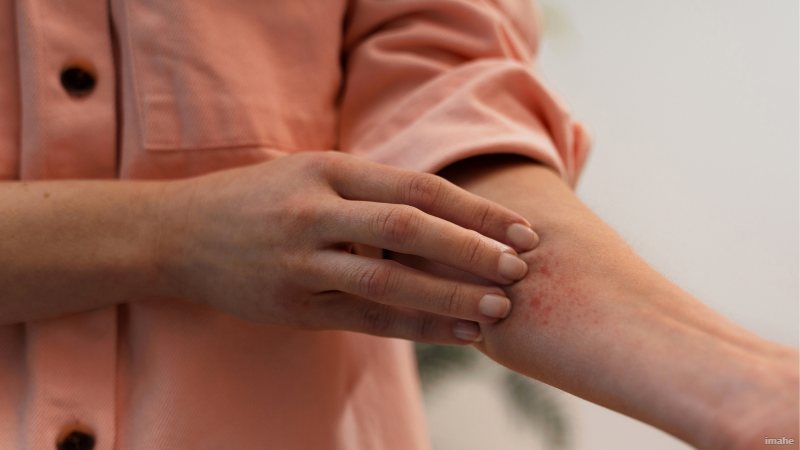
For most people, a routine mosquito bite results in a tiny, itchy red bump that fades away within a few hours. However, if you or a loved one has ever experienced an alarming, massive swelling, intense warmth, blistering, or a fiery reaction that looks remarkably like a severe allergic reaction or infection following a simple insect bite, you might be witnessing a fascinating and often misunderstood medical condition known as Skitter Syndrome. Unlike a standard localized irritation, Skitter Syndrome is an intense localized inflammatory reaction to mosquito saliva that frequently leaves sufferers baffled and panicked. Understanding the underlying causes, recognizing the distinct symptoms, and knowing when to seek professional medical intervention are essential steps for managing this hypersensitive immune response safely.
Decoding Skitter Syndrome: What Happens When Your Body Overreacts to Mosquito Saliva?
Skitter Syndrome—medically termed mosquito bite hypersensitivity—is essentially an exaggerated immune system response to the proteins found in mosquito saliva injected during a bite. While normal immune systems mount a mild histamine reaction, individuals with skitter syndrome experience severe localized inflammation characterized by massive swelling, redness, and sometimes low-grade fever or joint stiffness. This condition is particularly common in young children whose immune systems have not yet built up natural antibodies to mosquito allergens, as well as in adults with heightened immune sensitivities or those traveling to areas with aggressive mosquito populations.
Spotting the Red Flags: How to Tell Skitter Syndrome Apart from a Normal Bug Bite
Differentiating between a standard itchy mosquito bite and Skitter Syndrome is crucial for avoiding panic and unnecessary treatments. Key clinical signs of Skitter Syndrome include:
Massive Localized Swelling: The affected limb or area around the bite swells up significantly within hours, often doubling in size.
Intense Heat and Hardness: The skin surrounding the bite becomes remarkably firm, tight, hot to the touch, and intensely red.
Blistering and Lesions: In severe flare-ups, fluid-filled blisters or hives may develop directly over or near the bite site.
Systemic Mimicry: Though rare, some individuals experience mild fever, fatigue, or general malaise, making it look deceptively like a bacterial skin infection such as cellulitis.
Managing and Treating Skitter Syndrome: Relief Strategies for Severe Swelling
Because Skitter Syndrome is an inflammatory immune response rather than a bacterial infection, treating it effectively requires specific targeted care:
Cold Compresses: Apply an ice pack wrapped in a clean cloth to the swollen area for 15 minutes to constrict blood vessels and reduce inflammation.
Over-the-Counter Antihistamines: Oral antihistamines help block the histamine cascade responsible for the intense swelling and itching.
Topical Corticosteroids: Applying doctor-recommended hydrocortisone creams can calm localized skin reactivity.
Elevation: Elevating the affected arm or leg helps minimize fluid accumulation and swelling pressure.
When to See a Doctor: Preventing Complications and Secondary Infections
While Skitter Syndrome typically resolves on its own within a few days to a week, it is important to monitor the reaction closely. If the redness spreads rapidly past the initial site, if red streaks appear, or if high fever and severe pain set in, consult a physician immediately to rule out secondary bacterial infections like cellulitis that require antibiotic therapy. By staying informed and practicing proactive mosquito prevention—such as using insect repellents, wearing protective clothing, and eliminating standing water around your home—you can keep painful bite reactions at bay.