










5 Winter Bathing Habits Damaging Your Skin: Dermatologist Guide
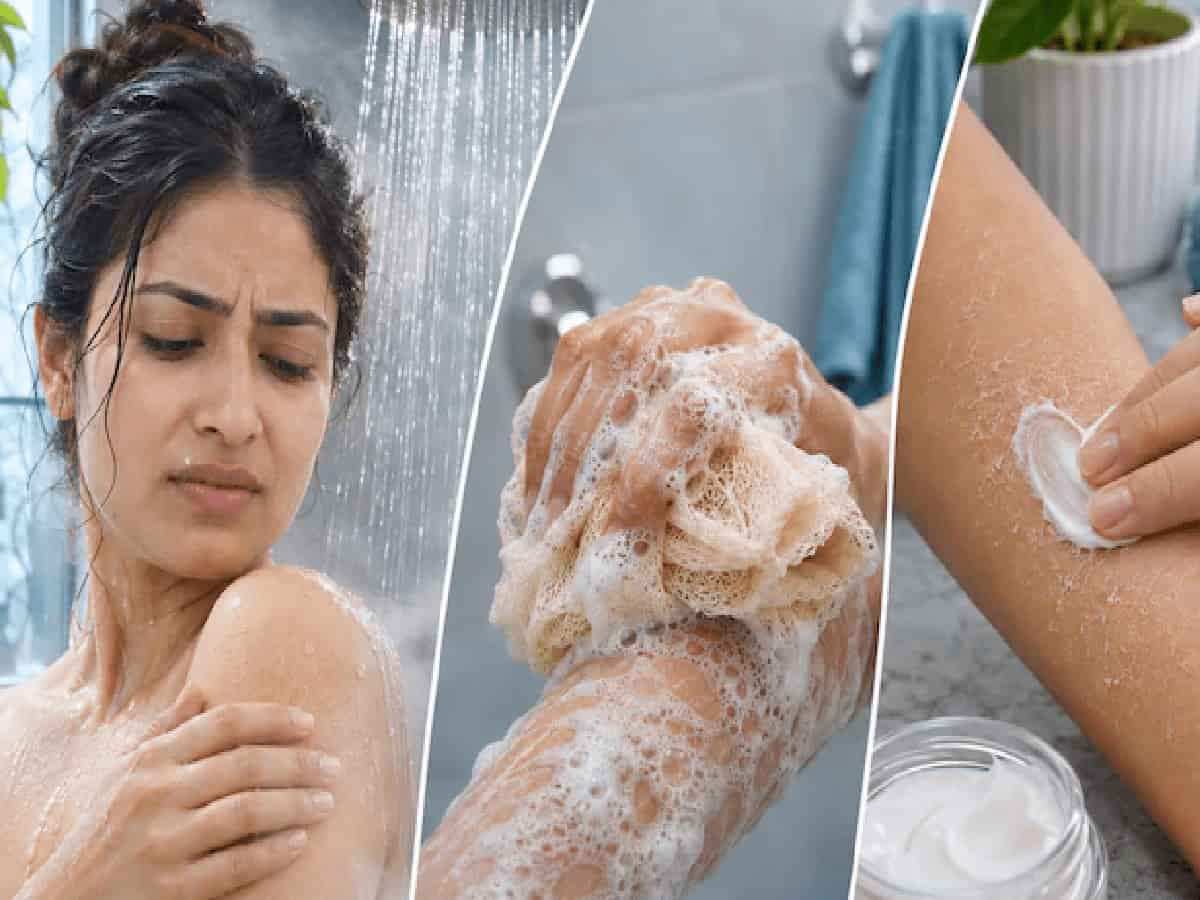
When winter arrives and skin begins to crack, flake, and itch, most people blame plummeting temperatures and dry outdoor air. In an educational winter skincare breakdown shared on social media, Dr. Thakkar rated seven common bathing and post-shower practices on a scale from 0/10 to 10/10—exposing five widely practiced habits that quietly sabotage skin health alongside two simple, low-cost fixes that earn a perfect 10/10 score. Across Uttar Pradesh—especially in state capital Lucknow and neighboring cities such as Unnao, Kanpur, Prayagraj, and Varanasi, where chilly mornings tempt households toward piping-hot water, heavy antiseptic soaps, and indoor towel drying—adjusting these daily habits can prevent winter eczema flare-ups, micro-tears, and stubborn skin infections without expensive products.
Dermatologist's Winter Bathing Scorecard: Habits Rated From 0/10 to 10/10
| Winter Bathing / Post-Shower Habit | Dr. Thakkar's Rating | Impact on Winter Skin & Dermatologist's Recommendation |
| Hanging a Wet Towel Inside the Bathroom | 0/10 (Worst Habit) | Damp, poorly ventilated bathrooms breed fungal spores on wet fabric; dry towels in sunlight or open air and wash twice a week. |
| Bathing With Antiseptic Soap | 1/10 | Harsh antimicrobial agents strip beneficial skin microbiome and natural lipids; switch to a gentle, unscented moisturizing cleanser. |
| Daily Loofah Scrubbing | 1/10 | Daily friction inflicts invisible micro-tears, worsening dryness and infection risk; wash with bare hands daily and limit gentle loofah use to once a week. |
| Bathing in Very Hot Water | 2/10 | Steaming hot water dissolves protective sebum and dehydrates the epidermis; use lukewarm water (rated 10/10) instead. |
| Bathing Twice a Day in Winter | 3/10 | Repeated washing removes natural oils despite minimal winter sweat; bathe once daily, or rinse a second time with plain water without soap. |
| Applying Moisturizer Immediately on Damp Skin | 10/10 (Best Habit) | Applying lotion or cream within 2 to 3 minutes of stepping out traps surface water inside the skin barrier. |
| Mixing Glycerin Into Moisturizer | 10/10 (Best Habit) | Adding 2 to 3 drops of glycerin acts as a humectant that pulls hydration into dry winter skin affordably. |
Why Hot Showers, Antiseptic Soaps, and Daily Loofahs Strip Your Skin Barrier
Even though steaming water feels comforting on a freezing morning, Dr. Akanksha Thakkar gives very hot baths just 2/10 because high water temperatures rapidly dissolve the natural oils (sebum) that keep skin supple, leaving the outer barrier dehydrated, tight, and prone to cracking. Switching to lukewarm water—which earns a 10/10 rating—cleanses effectively without stripping moisture. Similarly, two hygiene habits many people consider "extra clean" receive 1/10:
-
Antiseptic Soaps (1/10) and Scented Body Washes (3/10): Harsh antiseptic bars wipe out protective skin flora alongside natural lipids, triggering severe winter flaking. Dr. Thakkar advises using a mild, fragrance-free moisturizing soap or syndet bar—noting that heavily scented body washes score only 3/10 due to irritation risk.
-
Daily Loofah Scrubbing (1/10): Rubbing rough mesh or natural loofahs over winter-dry skin every day creates microscopic tears that invite inflammation and bacterial or fungal entry. Washing gently with your hands daily and restricting light exfoliation to once a week keeps the barrier intact.
Double Bathing and Wet Bathroom Towels: Hidden Triggers of Dryness and Fungal Infections
In cold weather, perspiration and outdoor dust drop significantly, which is why bathing twice a day earns just 3/10. Every full soap-and-water shower washes away scarce skin lipids; dermatologists recommend one bath per day, or—if a second rinse is unavoidable after exercise—using plain lukewarm water without soap. Even more harmful, earning 0/10, is leaving a wet bath towel hanging inside a humid, poorly ventilated bathroom. Damp towels trapped indoors become breeding grounds for fungi, transferring spores directly back onto freshly washed face and body skin and triggering ringworm or yeast rashes. Always dry towels in direct sunlight or breezy open air and launder them at least twice weekly.
Two 10/10 Habits to Lock In Winter Moisture: Damp-Skin Application and Glycerin
To repair and protect winter skin effortlessly, Dr. Thakkar awards a perfect 10/10 to two simple post-bath steps:
-
Moisturize Within 2 to 3 Minutes on Damp Skin (10/10): Pat skin lightly with a clean towel so it remains slightly damp, then apply moisturizer immediately across both face and body—waiting until skin dries completely reduces absorption and allows moisture to evaporate.
-
Add 2 to 3 Drops of Glycerin to Your Moisturizer (10/10): As a classic humectant, glycerin attracts water molecules into the outer skin layer, doubling hydration at minimal cost when blended into your regular cream or lotion right before application.






