Haryana Taps AI and Chinese Air Quality Tech to Combat Pollution, World Bank to Showcase State's Innovation at Korea Digital Summit
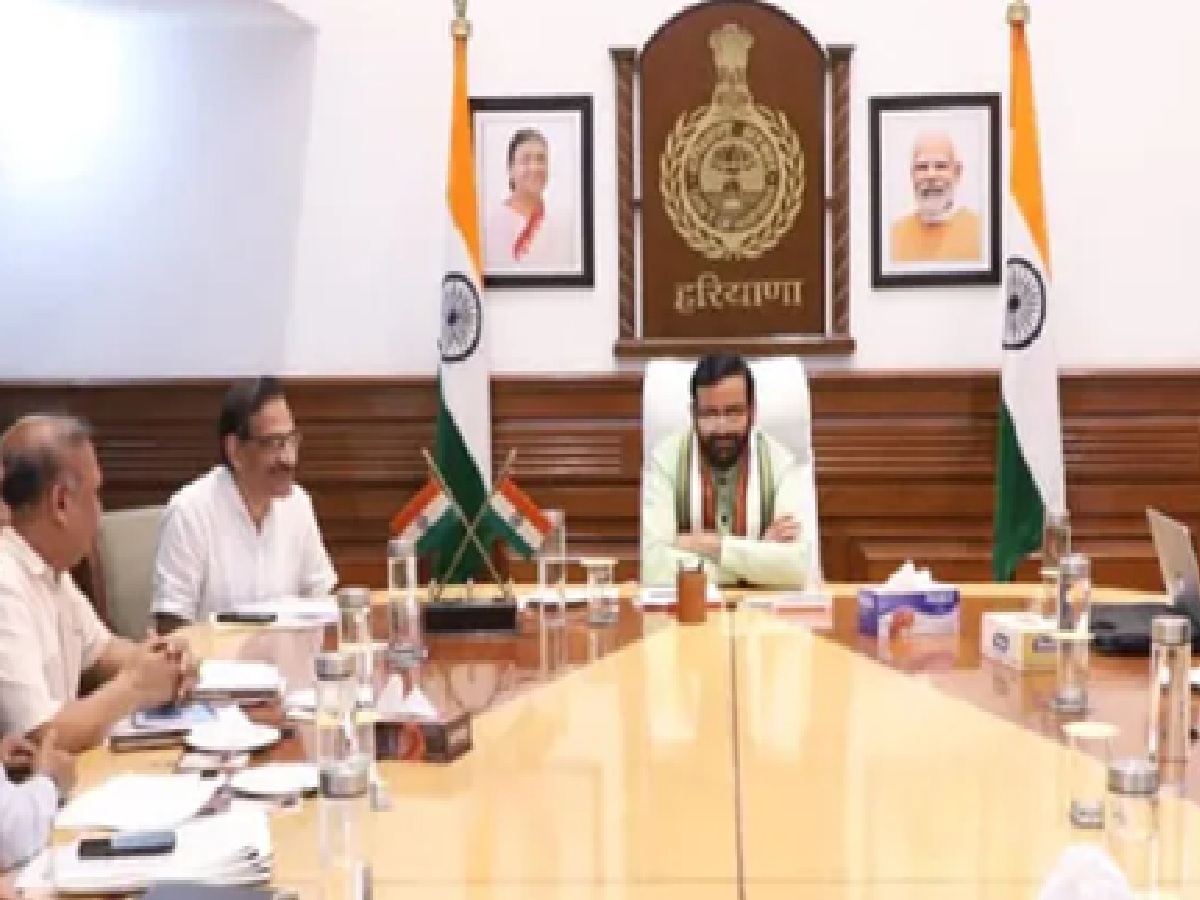
The Haryana government is taking a aggressive, tech-driven leap toward tackling environmental challenges by integrating advanced artificial intelligence (AI) and modern air purification methodologies inspired by international models, including technology studied in China. During a high-level meeting with World Bank officials on Wednesday, Chief Minister Nayab Singh Saini formally requested institutional collaboration and financial support to deploy a state-of-the-art air quality decision support system under the state's comprehensive Clean Air Program. Drawing insights from official study tours abroad, the administration aims to leverage global best practices to curb escalating pollution levels and secure cleaner air for residents across the state.
World Bank to Showcase Haryana’s AI Sandbox at Global Digital Summit in Korea
Highlighting the state's rapid strides in digital governance, World Bank representatives informed Chief Minister Saini that the innovative AI Sandbox—developed jointly by the World Bank and the Haryana government—will be presented on a prestigious global platform at the upcoming digital summit in Korea, scheduled from October 19 to 22. Officials extended a formal invitation to the Chief Minister to attend the event, which celebrates cutting-edge technological frameworks. Emphasizing that technology must directly simplify citizens' lives and elevate transparency, the Chief Minister noted that initiatives like the Parivar Pehchan Patra (PPP) are being upgraded to version 2.0 alongside a robust data exchange policy and centralized data lake to streamline cross-departmental administrative decision-making.
Launching AI Gurukul and Cultivating a Thriving Startup Ecosystem
Beyond environmental management, the state's futuristic blueprint includes establishing a dedicated "AI Gurukul" and industry-aligned skill development centers in every district to prepare young people for future workforce demands. Furthermore, CM Saini proposed designing a customized, state-specific AI model tailored to help government officials navigate local laws and administrative workflows efficiently. This forward-looking ecosystem is already yielding results; nearly 250 startups and technology firms recently participated in a state-backed Innovation Challenge, with winning solutions slated for integration across various government departments to maximize public utility.