Ground-Level Ozone: Delhi's New Pollution Crisis Is Growing! Is Your Health at Risk?
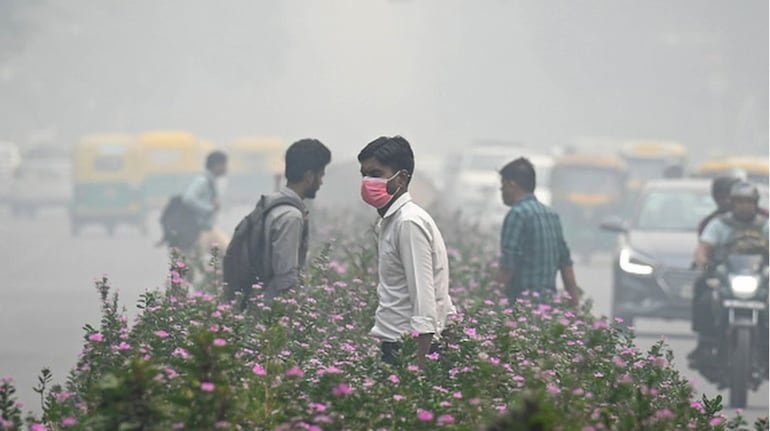
Delhi's air quality has seen some improvement in the last few years, but with it, a new threat is also emerging. According to a report by the Indian Express, while pollutants like nitrogen dioxide and carbon monoxide are gradually decreasing, the level of ozone gas is continuously increasing. This change shows that the air has not become completely clean, but the form of pollution is changing. In 2021, the average level of ozone was 52 micrograms per cubic meter, which will increase to 66 by 2025. This means that a pollution is increasing in the air which is not visible directly, but can affect health.
The important thing is that this problem is growing slowly and people are not even realizing it. Therefore, experts say that it is crucial to understand this changing pollution and take timely precautions.
What is ozone and why is it dangerous?
Ozone protects us high up in the sky, but it becomes harmful near the ground. This is called "ground-level ozone." It's not released directly into the air, but rather is formed by the combination of nitrogen oxides and other gases with sunlight. This is why its levels increase during periods of intense sunlight and heat.
Pollution varies with the weather
Pollution in Delhi now takes different forms depending on the season. Smoke and dust (PM2.5 and PM10) increase significantly in winter, while ozone levels are more pronounced in summer. This means the air is sometimes polluted by smog and sometimes by heat-induced gases.
Not just Delhi, the impact is felt around the region as well.
This problem isn't limited to Delhi. Cities like Noida, Meerut, and Muzaffarnagar have also seen increased ozone levels. However, some areas have also seen a decline, suggesting that local factors also play a role.
What effect does it have on health?
Ground-level ozone can cause breathing problems. It damages the lungs and is especially dangerous for people who spend extended periods of time outdoors. The biggest problem is that it's invisible, but it still affects the body.
Why is it difficult to stop?
Preventing ozone depletion isn't easy because it doesn't come directly from a single source. It's created by the interaction of many gases and weather conditions. Therefore, reducing it requires a concerted effort to target vehicles, factories, and other pollution sources.
Pollutants like PM2.5 and PM10 have decreased slightly over the past few years, but they still exceed safe levels. While the air quality has improved somewhat, the problem hasn't been completely resolved, adding a new threat.



_124973916_351x234.jpeg)