
 Priyanka Tiwari
 Share
Share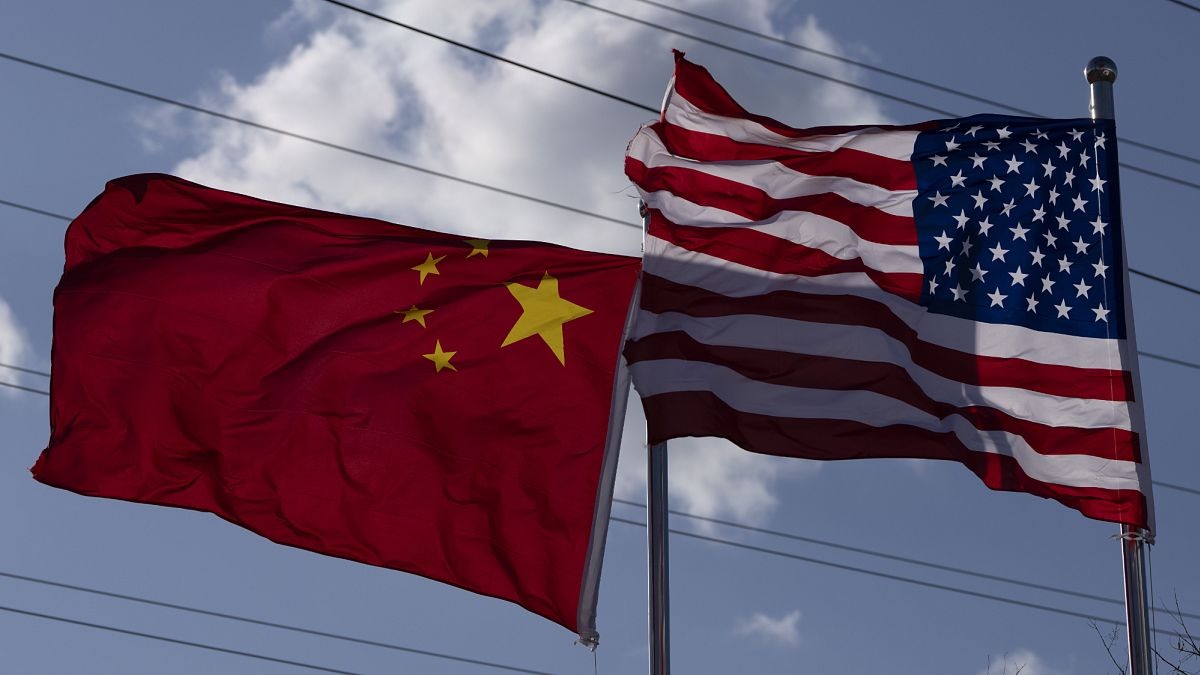
China has declared it will cut down on the number of U.S. films allowed into its theaters, following President Donald Trump's latest move to impose record-high tariffs on Chinese goods. The move is part of an escalating trade dispute and comes as China seeks to prioritize domestic cultural consumption.
China Responds to U.S. Tariffs
In an official statement released Thursday, the China Film Administration criticized the new tariffs and indicated they would negatively affect Chinese audiences' interest in American films. “We will follow market rules, respect audience choice, and moderately reduce the number of American films imported,” the statement said.
The announcement came just hours after the U.S. implemented a new wave of tariffs on Chinese imports. Chinese authorities are signaling that cultural and entertainment sectors are not exempt from the broader trade tensions.
Hollywood’s Diminishing Role in China
Once the largest international market for American films, China has steadily reduced the number of approved U.S. releases, particularly since the onset of the U.S.-China trade war in 2018. The decline was further accelerated by the COVID-19 pandemic, which disrupted global theatrical releases and shifted consumer focus to local productions.
Hollywood studios have responded by scaling back promotional efforts and adjusting release strategies, given the unpredictable nature of Chinese regulatory approvals. Audience tastes in China have also evolved, with domestic films now enjoying broader appeal and stronger box office performance.
Government Strategy and Market Impact
The Chinese government has ramped up efforts to boost domestic consumption, including within the entertainment industry. Despite occasional signs of cooperation—such as limited theatrical releases of U.S. blockbusters—industry insiders say consistent access to the Chinese market remains uncertain for Hollywood.
The current policy shift echoes suggestions posted earlier this week by two prominent Chinese bloggers, who hinted at a list of potential retaliatory steps in response to Trump’s tariffs. Their statements were widely circulated and appeared to reflect government sentiment.
_1359883337_100x75.jpg)
_1550774716_100x75.jpg)
_518702411_100x75.jpg)