How Crude Oil Fluctuations Impact Petrol and Diesel Prices: Understanding the Mechanics Behind Global Fuel Rates
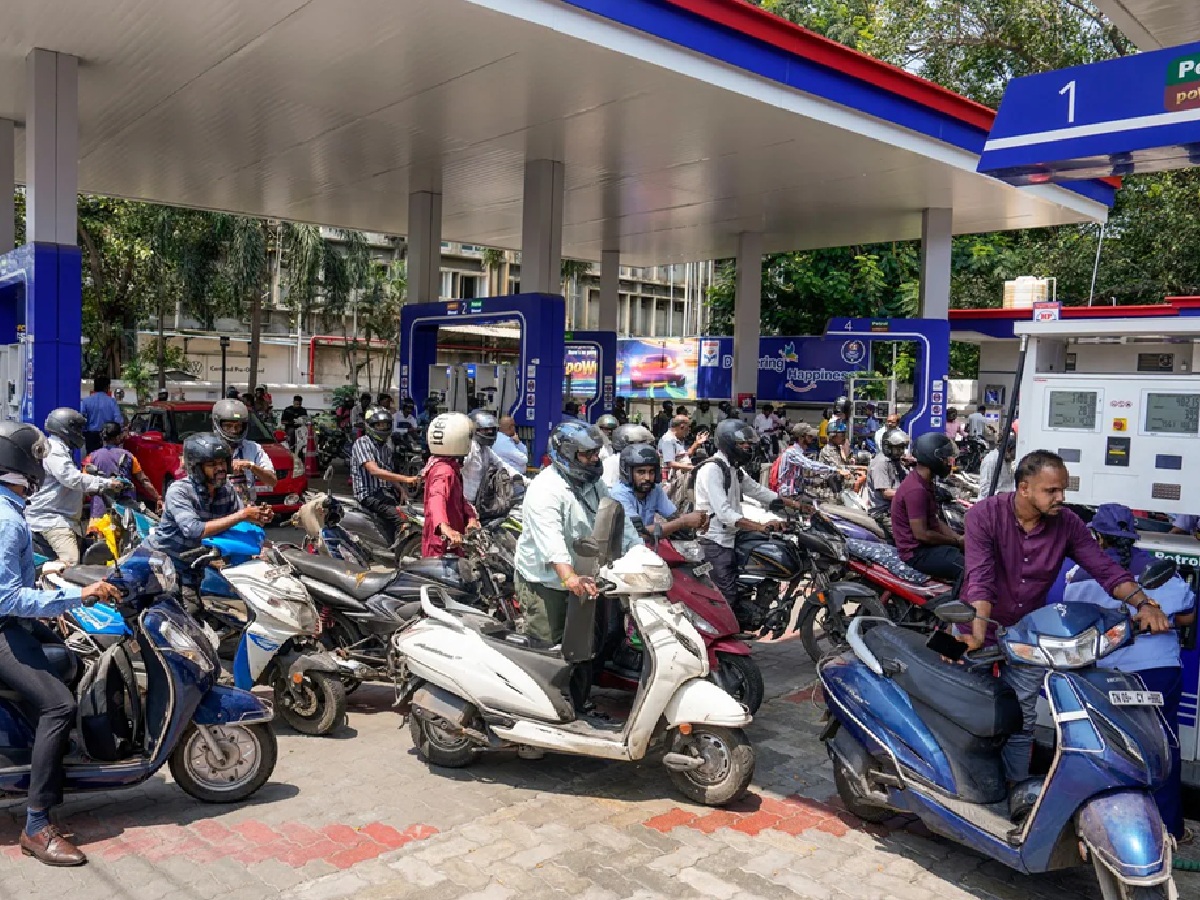
Crude oil prices in the international market frequently fluctuate, sometimes breaching the 100 dollar mark and at other times dropping below 90 dollars. While nations like Pakistan implement immediate fuel price revisions in response, countries like India follow a different mechanism. The direct translation of international crude oil price movements into domestic retail rates for petrol and diesel depends entirely on each nation's economic framework, taxation policies, and whether fuel pricing is governed by free markets or administrative controls—a phenomenon experts define as the "pass-through effect."
How Open Markets Handle Price Shifts
In nations where retail fuel prices are completely market-determined, the ripple effect of crude oil volatility is experienced rapidly. The initial impact typically begins within the first week of a global price shift, peaks by the second week, and reflects fully on retail boards by the third or fourth week. However, the magnitude of this impact is heavily influenced by local taxation and excise duties. For instance, in the United States, a 10% movement in crude oil prices leads to a direct 6% to 7% change in retail petrol and diesel rates. Conversely, in higher-tax nations like Germany, heavy governmental levies cushion the shift, restricting the retail impact to just 3% to 5%.
Government-Regulated and Subsidized Pricing Models Around the World
Approximately one-third of the countries globally rely on government-regulated pricing structures, where administrative bodies adjust fuel rates periodically based on international crude oil benchmarks and the local currency exchange rate against the US dollar. Countries like China, South Africa, and Vietnam typically update their retail fuel prices on a monthly basis. Meanwhile, another third of the global community—primarily major oil-producing states and economically vulnerable nations—utilize heavy state subsidies or political price controls to maintain long-term retail stability, shielding consumers from inflationary shocks, much like policies seen in Iran and Venezuela.
How Fuel Prices Work in India
India occupies a unique structural middle ground where retail petrol and diesel prices are neither entirely free-market driven nor strictly government-controlled. Public sector oil marketing companies factor in a complex matrix of elements, including rolling international crude oil averages, the rupee-dollar exchange rate, refining margins, freight charges, and central-state taxes. Consequently, global price spikes or dips do not translate into immediate day-to-day retail adjustments. Nevertheless, during extreme geopolitical shocks or massive oil rallies, central authorities frequently intervene through excise duty cuts or tax adjustments to buffer consumers against severe inflationary pressures, while global data confirms that crude price shifts impact petrol and diesel in nearly equal proportions and timelines.




_174136323_351x234.jpg)
_1264800509_351x234.jpg)