










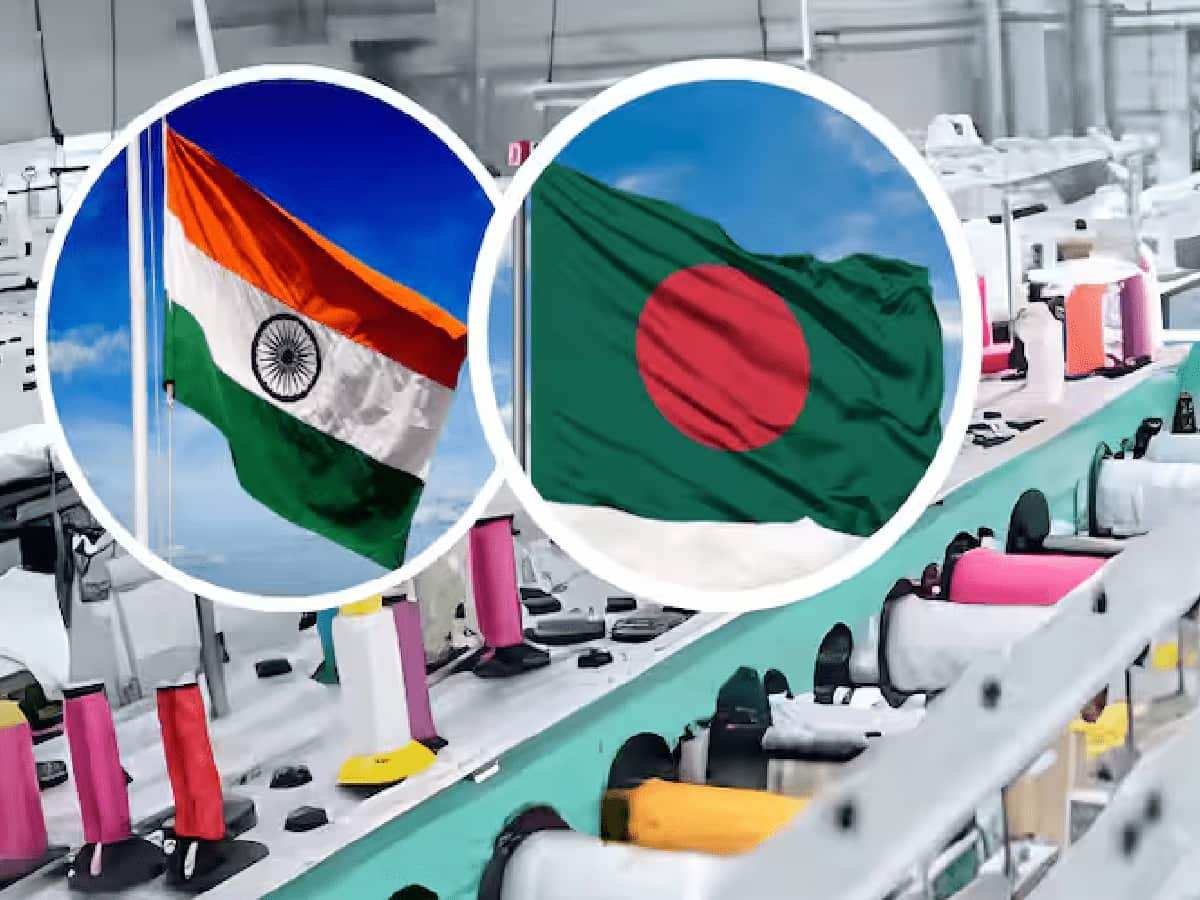
Garment Orders Worth ₹2,360 Cr Shift From Bangladesh to India
A major realignment in global apparel sourcing has opened a rare strategic window for India's textile and garment sector. Amid ongoing labor unrest, highway blockades, and factory shutdowns across Bangladesh, leading international fashion retailers—including ZARA, H&M, Marks & Spencer (M&S), and Celio—have diverted roughly $254 million (around ₹2,360 crore) worth of garment orders between November 1 and November 18, 2026. According to the Chamber of Trade and Industry (CTI), an apex body of traders and entrepreneurs based in New Delhi, India has emerged as the single largest beneficiary of this sourcing shift—an opening CTI Chairman Brijesh Goyal describes as the biggest opportunity for Indian apparel manufacturing in the past two decades. While competing Asian hubs such as Vietnam, Cambodia, and Indonesia have also picked up part of the diverted volume, India's shorter turnaround times, integrated raw-material base, and established manufacturing clusters are drawing serious buyer interest. Across Uttar Pradesh—especially in state capital Lucknow (renowned for its Chikan and Zardozi apparel craft) and neighboring industrial and commercial centers such as Unnao, Kanpur, Prayagraj, and Varanasi, alongside NCR hubs like Noida—higher international apparel sourcing promises ripple benefits across yarn suppliers, fabric processors, packaging units, and garment exporters.
Global Fashion Brands Turn Toward Indian Apparel Hubs
With global retail chains seeking dependable supply lines ahead of upcoming seasonal collections, diverted orders are flowing directly toward India's established textile and readymade garment clusters. According to CTI, major production hubs positioned to capture immediate gains include Tirupur, Surat, Ludhiana, Delhi-NCR, Noida, Gurugram, and Bengaluru. Industry representatives note that if international buyers convert these emergency diversions into long-term sourcing contracts, small and medium-sized garment units across the country could expand factory capacity and generate substantial new employment.
| Sourcing & Production Factor | Bangladesh Garment Sector | Indian Textile & Apparel Sector |
| Diverted Orders (Nov 1–18, 2026) | $254 million (~₹2,360 crore) shifted away; over $400 million in production losses. | Emerged as the biggest beneficiary alongside Vietnam, Cambodia, and Indonesia. |
| Labor & Minimum Wage Pressure | Minimum monthly wage raised from 12,500 taka to 17,000 taka, yet unrest and closures in hubs like Gazipur persisted. | Stable industrial operations backed by an integrated domestic cotton, yarn, and fabric supply chain. |
| Order Delivery Turnaround | Roughly 120 days on average due to logistics and factory disruptions. | 60 to 90 days, offering global retailers a 30-to-60-day speed advantage. |
| Domestic Workforce & MSME Base | Heavily export-concentrated readymade garment workforce. | 40 million+ direct jobs (over 50% women), ~90 million total livelihoods, and 3.6 million+ MSMEs. |
Labor Unrest, Rising Costs in Bangladesh, and India's Faster Delivery Edge
Three concrete operational factors explain why global apparel buyers are re-evaluating their dependence on Bangladesh:
-
Factory Closures and Production Losses: Recurring strikes, worker protests, and factory closures—including clashes and shutdowns in major industrial belts such as Gazipur on the outskirts of Dhaka—have inflicted over $400 million in production losses on Bangladesh's garment industry, leaving international retailers uncertain over shipment schedules.
-
Higher Wage Costs Without Stability: Bangladesh's Minimum Wage Board voted to raise the monthly minimum wage for garment workers from 12,500 taka to 17,000 taka—pushing up factory production costs even as sections of workers continued protesting for higher pay.
-
India's 60-to-90-Day Delivery Advantage: According to CTI data, fulfilling an international garment consignment in Bangladesh currently takes roughly 120 days, whereas Indian manufacturers can deliver comparable orders within 60 to 90 days—giving fast-fashion labels like ZARA and H&M crucial speed to market.
40 Million Direct Jobs and a Value Chain Spanning Farms to Retail
Beyond export balance sheets, expanding global apparel orders carries wide socio-economic weight across India. According to CTI, the domestic textile and apparel sector provides direct employment to more than 40 million people—of whom over 50% are women—and supports roughly 90 million livelihoods when indirect jobs are included, anchored by more than 3.6 million micro, small, and medium enterprises (MSMEs). Sustained growth in international orders benefits not only stitching factories but also cotton farmers, yarn spinners, button and zipper makers, packaging suppliers, transporters, traders, and domestic retailers.
CTI Writes to PM Modi With a Five-Point Roadmap to Reach ₹20,000 Crore
To turn this short-term sourcing shift into lasting global leadership, CTI Chairman Brijesh Goyal has written to Prime Minister Narendra Modi, praising the Make in India initiative while urging targeted policy support so India can scale the initial ₹2,360 crore order inflow into a ₹20,000 crore export opportunity despite 25% US tariff pressures. Specifically, CTI has placed five key demands before the Union government:
-
Exporter Relief Package: Lower industrial power tariffs for textile units, process GST refunds within seven days, and waive penal interest to ease working-capital stress.
-
24-Hour Power and Water Supply: Guarantee uninterrupted round-the-clock electricity and water across dedicated textile parks and garment manufacturing clusters.
-
Relief From US Tariffs: Negotiate special tariff exemptions for Indian textiles and apparel in trade discussions with the United States to cushion the impact of 25% duties.
-
Single-Window Clearance for Global Brands: Establish fast-track single-window land allotment and regulatory approvals so global retailers such as ZARA and H&M can set up manufacturing facilities in India smoothly.
-
Skill Training for One Lakh Artisans: Launch a focused training drive to equip 100,000 new artisans in modern stitching, pattern cutting, and garment design.






