EU Bans Chinese GMO Rice: Major Export Boost for India
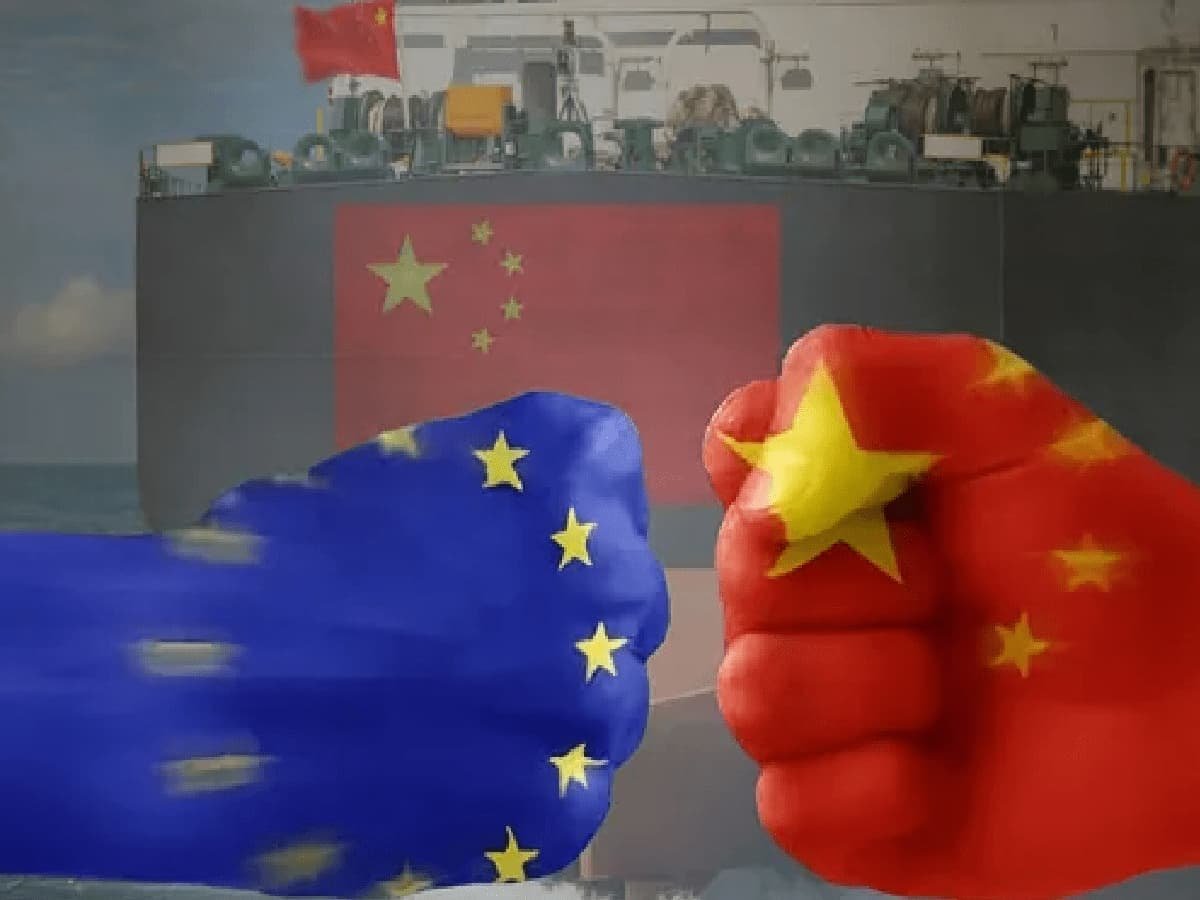
International agricultural trade dynamics have shifted dramatically as the European Union (EU) implements stringent border rejections on food products originating from China due to the presence of unauthorized Genetically Modified Organisms (GMOs). While Beijing has historically maintained strict regulatory barriers against agricultural imports from nations like India under the pretext of GMO compliance, Chinese exporters are now facing severe scrutiny and rejection in Western markets.
The unfolding regulatory crisis in Europe provides a lucrative opening for Indian rice exporters, reinforcing the global reputation of India's non-GMO agricultural supply chains.
RASFF Notifications Reveal Unauthorized GMOs in Chinese Rice Products
According to official data and alerts issued by the European Union’s Rapid Alert System for Food and Feed (RASFF), European border control authorities have flagged and returned multiple consignments of rice-based food products from China. The crackdown intensified significantly following notifications issued in September and November.
German Border Rejections: On November 11, German border authorities issued an official RASFF notification rejecting a major commercial consignment of barbecue-flavored rice crackers imported from China after testing positive for unauthorized GMO ingredients. This followed an earlier German border rejection on November 9 confirming unapproved GMO strains in a separate rice shipment.
Belgian Detection: Earlier in the autumn, Belgian food safety inspectors flagged unauthorized GMO traces in imported Chinese rice cakes.
Broader Commodity Contamination: Throughout the year, European regulatory filings have uncovered GMO contamination in various Chinese manufactured goods, including specialized rice flour, noodles, and snack crackers.
Agricultural trade experts point out that despite Beijing's official stance denying the commercial cultivation of genetically modified rice within its borders, accidental leakage from experimental research plots has plagued domestic supply chains. According to insights from Fred Gale, a retired economist with the United States Department of Agriculture (USDA), experimental GMO rice strains developed during scientific trials have repeatedly infiltrated commercial grain markets, with Chinese authorities struggling to trace the root origin of the contamination.
Hypocrisy Exposed: China’s Massive Rejection of Global Cargoes
The irony of the European Union's crackdown on Chinese exports becomes starker when examining Beijing’s own aggressive trade restrictions. Over recent months, China has systematically turned away agricultural shipments from multiple trading partners, including India, Kazakhstan, Russia, Ukraine, Belarus, and Japan.
Trade data reveals that between January and June alone, Chinese customs authorities rejected a staggering 146 foreign shipments—nearly four times the 38 rejections recorded during the previous year. While Beijing justified these sweeping bans by citing alleged GMO traces in rapeseed oil, wheat flour, and grain shipments, international analysts view many of these actions as protectionist trade barriers. Particularly since March, Indian rice exporters have faced repeated hurdles at Chinese ports under similar pretexts.
A Golden Opportunity for Indian Rice Exporters
The tightening of European biosecurity standards against Chinese agricultural products represents a major windfall for India. Crucially, the European Union has not flagged or rejected any Indian rice shipments on GMO-related grounds, validating the stringent quality control, segregation, and traceability protocols maintained by Indian agricultural producers and export houses.
As European importers scramble for reliable, compliant, and strictly non-GMO grain sources to replace rejected Chinese inventories, Indian basmati and non-basmati rice exporters find themselves in an enviable position. Industry leaders anticipate a surge in European procurement orders, allowing India to expand its footprint in high-value Western markets and cement its status as a trusted global supplier of safe, organic, and conventionally grown food products.