

Energy Shockwave: India Hikes Windfall Tax on Diesel and Jet Fuel as US-Iran Geopolitical Standoff Fires Up Crude Prices
The Indian government has made a sudden adjustment to its dynamic tax architecture on energy exports. Moving swiftly to protect domestic economic interests amidst volatile global shifts, New Delhi has significantly increased the special additional excise duty—commonly known as the windfall tax—on outward shipments of diesel and aviation turbine fuel (ATF), while simultaneously providing major relief on petrol exports.
The New Export Duty Rates: A Clear Breakdown
The latest modifications arrived on Wednesday as part of the Ministry of Finance's routine fortnightly operational review of refined energy exports. According to official data tables compiled by commodity market monitors, the export framework has shifted significantly to counter soaring global processing margins:
| Fuel Product Category | Former Export Duty Rate | Newly Adjusted Duty Rate |
|---|---|---|
| High-Speed Diesel (HSD) | ₹8.50 per litre | ₹15.50 per litre |
| Aviation Turbine Fuel (ATF) | ₹7.50 per litre | ₹14.50 per litre |
| Motor Spirit (Petrol) | ₹4.00 per litre | ₹2.50 per litre |
This tactical policy move follows a short-lived period of relief earlier this month. On July 1, domestic state-owned oil marketing companies (OMCs) had actually managed to lower aviation fuel pricing indices by approximately ₹5 per litre after a brief cooling period in West Asian logistical lines. However, the sudden flare-up in international crude pricing pools has forced Indian fiscal planners to react strongly to prevent localised supply shortfalls.
Naval Blockades and Retaliatory Strikes Disrupt Supply Chains
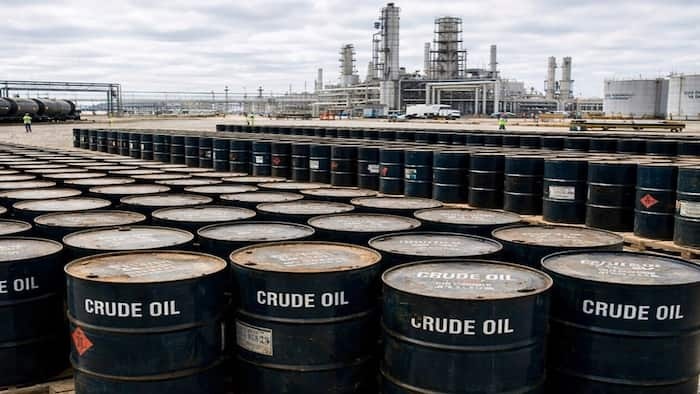
The main catalyst driving this abrupt economic adjustment is a massive increase in international crude oil benchmarks. The price of Brent crude surged rapidly this week, testing key technical resistance thresholds around $84.70 per barrel before settling slightly lower in active trading sessions.
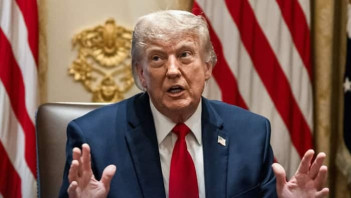
The immediate trigger for the market panic was a highly aggressive policy directive from Washington. US President Donald Trump announced the deployment of a comprehensive naval blockade encompassing all primary Iranian shipping ports to cut off Tehran's trade access. Reacting to the maritime siege, Iranian military units launched targeted retaliatory strikes against American military facilities and industrial assets located within the theatre of operations. The direct military exchange instantly spooked energy desks globally, sparking fears of a wider, multinational kinetic conflict.
The Strait of Hormuz Standoff Puts Global Logistics at Risk
Beyond the localised exchange of fire, the energy sector remains highly concerned about the operational status of the Strait of Hormuz. Geographically positioned as the ultimate chokepoint of global energy trade, this highly sensitive, narrow maritime pathway handles the transit of a massive share of the planet's total daily crude oil shipments.
Market analysts emphasise that any sustained disruption, blockades, or safety hazards along this shipping route could cause severe structural supply deficits across Asian and European refining hubs. India, which relies heavily on international imports to meet over 85 per cent of its crude requirements, uses the windfall tax system as a strategic buffer to ensure that private domestic refiners prioritise supplying the local Indian market rather than chasing higher margins abroad during sudden international energy crises.
_1101853164_351x234.jpg)