


The question of women's identity had become a political issue in Bengal.
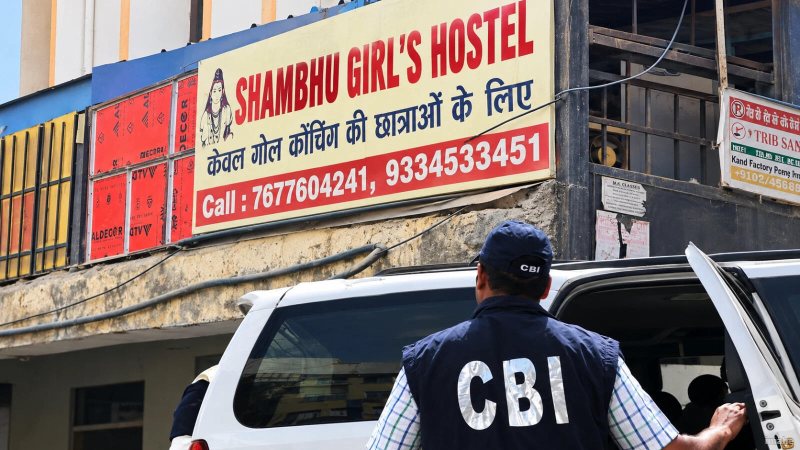
In the high-stakes theater of Indian regional politics, incidents involving crimes against women invariably transcend local law and order issues to become powerful catalysts for seismic political shifts. Following a chilling pattern reminiscent of how women's safety and dignity (Nari Asmita) dominated electoral narratives in West Bengal, a shocking hostel scandal in Patna, Bihar has suddenly thrust the state government into the eye of a massive political storm. As opposition parties mount aggressive protests, civil society demands immediate accountability, and citizens express profound outrage, political analysts are actively questioning whether this gruesome episode will redefine the electoral battlefield in Bihar ahead of upcoming legislative battles.
The Patna Hostel Scandal: Unfolding the Horror That Shocked the Capital
The controversy erupted when harrowing details emerged from a private residential facility in Patna, where a young woman was allegedly subjected to horrific abuse, exploitation, and intimidation under mysterious circumstances. As local police units scrambled to register formal First Information Reports (FIRs) and detain primary suspects following intense public pressure, startling lapses in local security, institutional oversight, and administrative accountability came to light. The shocking nature of the crime instantly galvanized student unions, women's rights activists, and opposition leaders, turning quiet residential lanes into flashpoints of furious political protests.
Parallels with Bengal: How Women’s Safety Becomes the Ultimate Political Flashpoint
The political resonance of the Patna incident draws striking comparisons to how crimes against women became the cornerstone of ideological combat in neighboring West Bengal. In both instances, tragic incidents of violence or exploitation served to pierce the veil of administrative complacency, transforming grief and anger into an explosive critique of governance, law enforcement efficacy, and systemic apathy. When the safety of daughters and sisters is compromised, public sentiment shifts rapidly, forcing ruling establishments onto the defensive as opposition leaders frame the crisis as a total failure of state machinery.
Political Fallout: Opposition Mounts Pressure While Ruling Parties Struggle for Narrative Control
Sensing a monumental vulnerability, opposition parties in Bihar have launched scathing verbal assaults against the ruling administration, accusing them of shielding influential figures and failing to protect women across hostels, educational hubs, and public spaces. Rallies, candle-light marches, and fiery press conferences have dominated headlines, putting immense pressure on chief ministerial corridors. Meanwhile, government spokespersons have scrambled to reassure the public by announcing fast-track judicial probes, specialized police investigation teams, and stringent regulatory guidelines for private hostels and PG accommodations across Patna.
The Road Ahead: Will the Public Outrage Translate into Lasting Electoral Repercussions?
As investigative agencies sift through digital footprints, witness testimonies, and forensic reports, the broader question remains whether the Patna hostel scandal will leave a permanent scar on the ruling coalition's political fortunes. History demonstrates that voters in states like Bihar and West Bengal process issues of dignity, security, and governance with acute sensitivity at the ballot box. Whether this tragic incident becomes the turning point that reshapes political alignments or fades into bureaucratic delays will depend entirely on the speed, transparency, and uncompromising fairness of the justice delivered to the victim.



_446449130_351x234.jpg)
_1014659225_351x234.jpg)
_1509550719_351x234.jpg)
_1348536563_351x234.jpg)