Chhath Puja Set to Enter UNESCO Heritage List With Mauritius
As millions of devout worshippers gather along riverbanks, ponds, and water bodies across India and around the world to offer ritual prayers (arghya) to the setting sun during the sacred festival of Chhath Mahaparva, a wave of immense pride is sweeping across Bihar, Jharkhand, Uttar Pradesh, and the global diaspora. In what marks a monumental triumph for Indian cultural diplomacy, the ancient festival of Chhath is officially on a steady path to securing a prestigious spot on UNESCO's Representative List of the Intangible Cultural Heritage of Humanity.
According to UNESCO’s rigorous biennial evaluation cycle, the formal nomination has been accepted by the UNESCO Secretariat, with final ratification and approval anticipated during the organization's high-level meeting in December 2027. Adding profound diplomatic and cultural weight to the milestone, India has partnered directly with Mauritius to submit this historic joint proposal—marking the very first time India has collaborated with another sovereign nation to nominate a shared cultural tradition to the global body.
The Unique Global Journey of Chhath Mahaparva
Dedicated to the worship of Surya Dev (the Sun God) and Chhathi Maiya, Chhath Puja is widely recognized as one of the most ancient, ecologically harmonious, and spiritually intense festivals originating in the Indian subcontinent. While traditionally anchored in the cultural heartlands of Purvanchal, Bihar, Jharkhand, and eastern Uttar Pradesh, the festival's footprint has expanded far beyond national borders.
Through generations of migration and diaspora settlements, Chhath is now vibrantly celebrated across island nations and global hubs, including Mauritius, Fiji, Suriname, the United Arab Emirates, and the Netherlands. Prime Minister Narendra Modi previously highlighted this cross-border cultural bridge during his Mann Ki Baat broadcast, paving the way for a concerted collaborative effort led by the Ministry of Culture, the Sangeet Natak Akademi, and INTACH (Indian National Trust for Art and Cultural Heritage) to meticulously document and present the dossier to UNESCO.
Why Chhath Puja Fits UNESCO’s Strict Heritage Criteria
UNESCO’s evaluation framework for intangible cultural heritage is notoriously stringent, requiring living traditions to demonstrate deep community involvement, historical continuity, and universal human values. Chhath Puja satisfies these global benchmarks effortlessly through its unique foundational pillars:
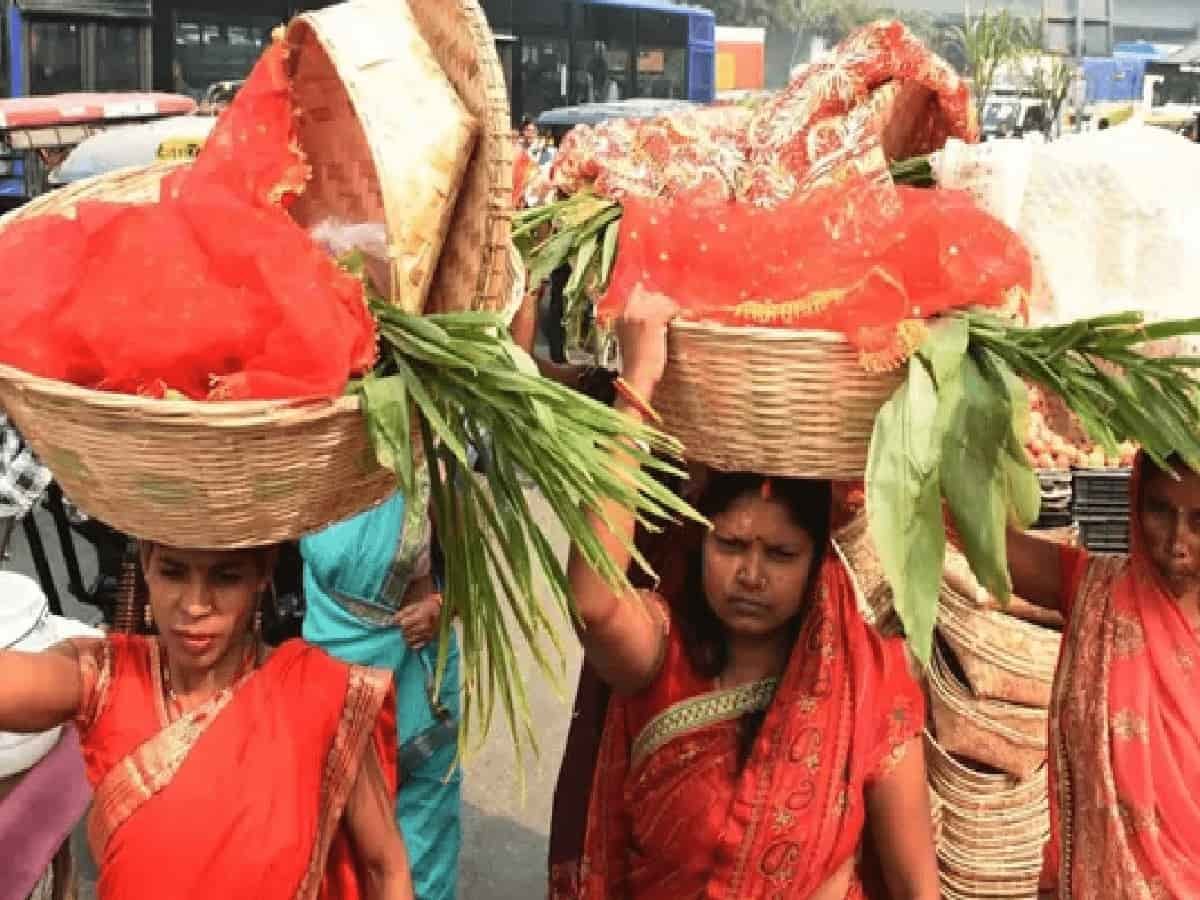
Uncompromising Nature Conservation: Unlike many modern festivals marked by commercialism and idol worship, Chhath is anchored entirely in the direct veneration of primal natural elements—flowing rivers, serene ponds, and the celestial power of the rising and setting sun. The entire material culture of the festival is biodegradable and eco-friendly, utilizing handmade bamboo baskets (soop), clay stoves (maati ka chulha), and local seasonal organic fruits.
Radical Social Harmony and Egalitarianism: Perhaps the most striking attribute of Chhath is its total erasure of societal hierarchies. At the water's edge, rich and poor, upper caste and lower caste, stand shoulder to shoulder in identical states of purity, fasting, and humility. The festival promotes absolute social equality, community participation, and inclusivity.
Rigorous Self-Discipline and Devotion: The physical and mental endurance demanded by the 36-hour waterless (nirjala) fast underscores a profound tradition of personal sacrifice, mental fortitude, and spiritual hygiene.
India’s Growing Presence on the UNESCO Intangible Heritage Map
If officially ratified in 2027, Chhath Puja will join an elite roster of Indian cultural traditions that have already been accorded global recognition by UNESCO. India’s rich intangible heritage currently encompasses iconic practices such as:
Yoga (Recognized in 2016)
Kumbh Mela (Recognized in 2017)
Durga Puja in West Bengal (Recognized in 2021)
Garba Dance in Gujarat (Recognized in 2023)
Deepavali (Recently advanced through the 2024-25 cycle and ratified in December 2025)
The addition of Chhath Puja will further amplify India's soft power, ensuring that indigenous regional traditions receive the international preservation frameworks they deserve.
Major Benefits of UNESCO Recognition for Chhath
Securing UNESCO intangible heritage status carries transformative advantages for the regions and communities that sustain the festival:
Global Tourism and Cultural Exposure: International recognition will thrust the folk traditions, music, and culinary heritage of Bihar, Jharkhand, and eastern Uttar Pradesh onto the global tourism map, attracting international scholars, documentary filmmakers, and cultural tourists.
International Cooperation and Funding: UNESCO listing paves the way for cross-border academic research, institutional partnerships, and specialized international grants dedicated to the documentation, scientific study, and long-term ecological preservation of sacred water bodies and river ecosystems tied to the festival.
As the melodic, hauntingly beautiful folk songs of Chhathi Maiya echo across riverbanks worldwide, this imminent global honor serves as a powerful reminder: when a culture remains deeply rooted in gratitude toward nature and unwavering human equality, its fragrance naturally spreads to every corner of the earth.