


Bihar to Introduce Rural Property Tax: Households May Soon Pay ₹1,200 Annually for Amenities
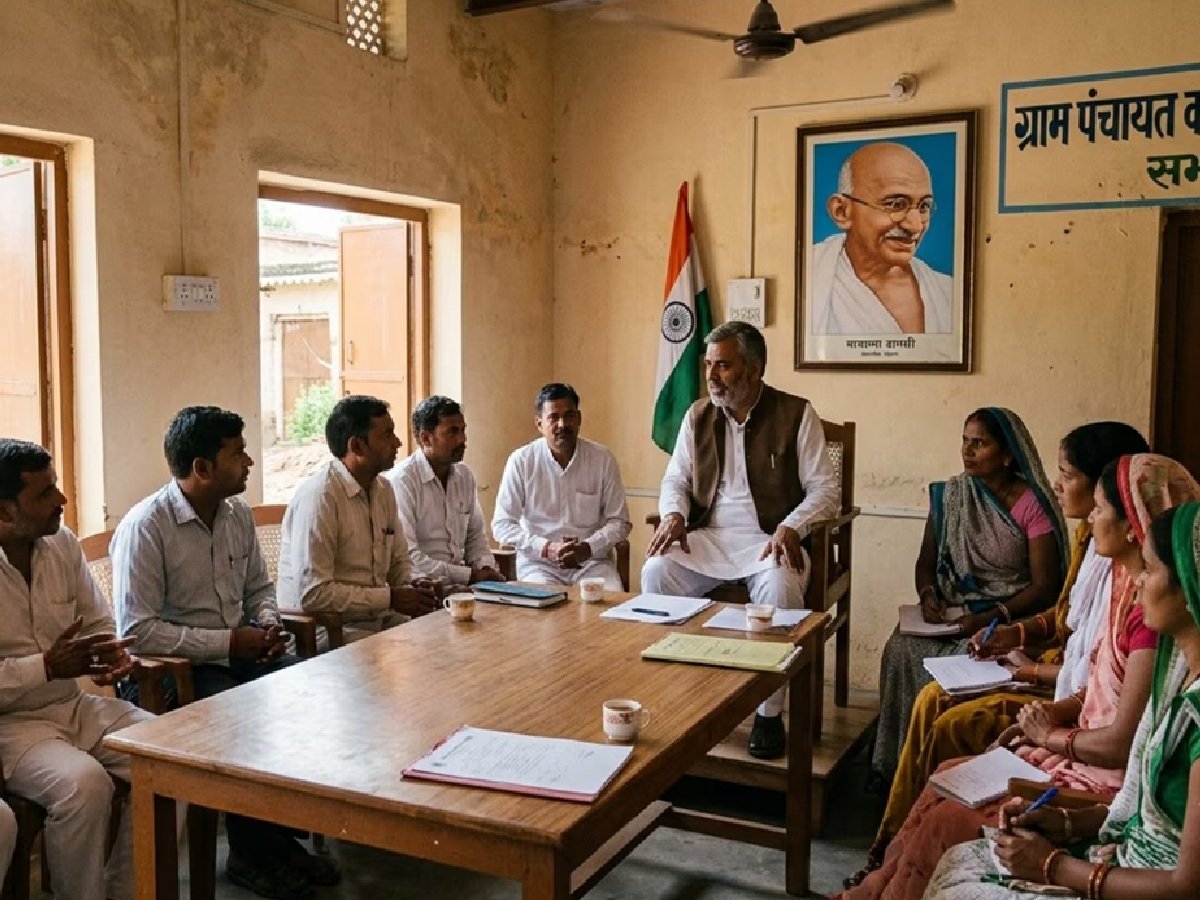
In a significant move toward rural empowerment, the Bihar government is gearing up to transform the financial autonomy of Gram Panchayats across the state. Following the recommendations of the 16th Central Finance Commission, the state government is preparing to implement a new tax collection system in rural areas. Much like municipal corporations, every household in Bihar's villages will soon be required to pay an average annual tax of ₹1,200, covering essential services including water supply, sanitation, and street lighting.
The Road to Self-Reliant Panchayats
The primary objective behind this policy shift is to make Gram Panchayats self-sufficient, as the Central Finance Commission has signaled that grants may be reduced in future years. To bridge this funding gap and ensure the long-term maintenance of rural infrastructure, the Panchayati Raj Department has finalized a proposal. Once granted final approval by the cabinet—led by Deputy CM Samrat Chaudhary—this system will officially replace the traditional grant-only model with a sustainable revenue-generation framework.
Understanding the New Tax Structure
The proposed tax framework is designed with a graded approach, ensuring that the burden is balanced based on the nature of the property. Under this system:
Residential vs. Commercial: Residential buildings will attract lower rates compared to commercial establishments.
Market-Linked Rates: Taxes for commercial structures will be calculated based on market value and business activity.
Location-Based Tiers: Properties located along main roads or in busy market areas will face higher taxation compared to those situated in remote, internal village locations.
Essential Utilities: The system mandates a specific fee for the tap water supply provided to every household, alongside a general holding tax.
Modernizing Rural Amenities
For years, the Bihar government has been working to bring urban-like amenities, such as "Har Ghar Nal Ka Jal" (tap water in every home) and improved street lighting, to rural citizens. By formalizing tax collection, the government aims to create a dedicated pool of funds that can be used to maintain these utilities without relying solely on state financial assistance. Officials believe that this step will ensure that rural residents receive consistent, high-quality services, effectively shrinking the developmental divide between urban municipalities and rural Gram Panchayats. The proposal is currently awaiting cabinet approval and is expected to be implemented shortly thereafter.

_1212729592_351x234.jpg)
_1902969119_351x234.jpg)
_842814989_351x234.jpg)
_948309878_351x234.jpg)