

 Priyanka Tiwari
 Share
Share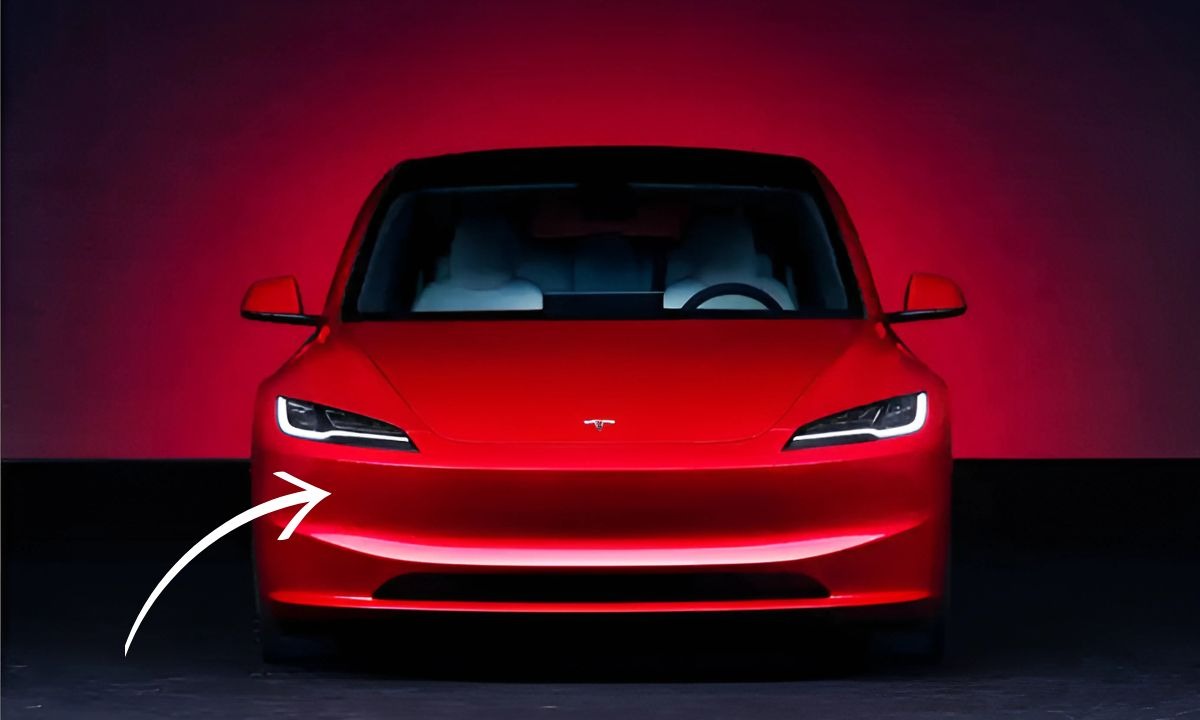
The Indian automotive industry is undergoing a major transformation, with electric vehicles (EVs) gradually gaining traction. As fuel prices rise and environmental concerns grow, EVs are emerging as a viable alternative for Indian consumers. Among the biggest names in the EV space, Tesla stands out as a symbol of innovation, high performance, and aspirational value.
One of Tesla’s most popular models, the Model 3, has revolutionized the EV market globally. However, its journey to India has been anything but smooth. From high import duties to local manufacturing hurdles, various factors have delayed Tesla’s official entry. But the key question for Indian consumers remains: how much would a Tesla Model 3 actually cost in India?
Let’s break down the potential pricing, the policy framework, competitive comparisons, and Tesla’s future in the Indian market.
Tesla’s Long and Winding Road to India
Tesla first signaled serious intent to enter the Indian market in January 2021 by registering its subsidiary, Tesla India Motors and Energy Private Limited, in Bengaluru. This move created massive excitement among EV enthusiasts. However, progress has been slower than expected. CEO Elon Musk has repeatedly pointed out India’s steep import duties, which range from 60% to 100% on fully built imported cars.
The Indian government, on the other hand, has emphasized its “Make in India” initiative, urging Tesla to establish local manufacturing before expecting duty relaxations. While discussions between Tesla and the government continue, as of early 2025, there is still no official Tesla launch in India. However, recent reports suggest potential breakthroughs in negotiations, keeping hopes alive.
Government Policies Affecting Tesla’s Pricing
Several policies will directly impact Tesla’s potential pricing in India:
Import Duties: EVs priced below $40,000 incur a 60% import duty, while those above this threshold face a hefty 100% duty.
FAME II Scheme: The Faster Adoption and Manufacturing of Electric Vehicles (FAME II) scheme provides subsidies for locally made EVs but does not extend benefits to fully imported models like the Tesla Model 3.
GST Structure: While conventional vehicles attract 28% GST plus cess, EVs enjoy a reduced 5% GST rate, which applies to all electric cars, including Tesla.
State-Level Incentives: Some states provide road tax exemptions, registration fee waivers, and subsidies for EVs, though these vary widely.
PLI Scheme: The Production Linked Incentive (PLI) scheme offers benefits for automakers producing advanced EV technology components in India, which could benefit Tesla if it sets up a local factory.
Estimated Cost of Tesla Model 3 in India
Global Pricing Overview Tesla currently offers three Model 3 variants in international markets:
Standard Rear-Wheel Drive – $38,990 (₹32.5 lakh approx.)
Long Range AWD – $45,990 (₹38.3 lakh approx.)
Performance – $53,990 (₹45 lakh approx.)
Import Duty Calculation for India If Tesla imports the Model 3 as a fully built unit, the pricing could be as follows:
Standard Variant (₹32.5 lakh base price) → After 60% import duty: ₹52 lakh
Long Range & Performance Variants (₹38.3-45 lakh base price) → After 100% import duty: ₹76.6-90 lakh
Additional Costs
GST (5%): ₹2.6-4.5 lakh
Registration & Road Tax: ₹50,000-75,000 (varies by state)
Insurance: ₹1.5-2 lakh per year
Handling & Transportation: ₹50,000-75,000
Final On-Road Price Estimate
Standard Variant: ₹57-58 lakh
Long Range Variant: ₹83-84.5 lakh
Performance Variant: ₹98-99 lakh
These estimates assume no special tax concessions. However, the cost could reduce if Tesla secures tax relaxations or sets up local manufacturing.
Comparison with Premium EVs in India
Several premium electric cars are already available in India, including:
Volvo XC40 Recharge – ₹56.9 lakh
Kia EV6 – ₹60.95 lakh
BMW i4 – ₹69.9 lakh
Mercedes-Benz EQB – ₹74.5 lakh
BYD Seal – ₹41-53 lakh
The Tesla Model 3 would likely compete at a higher price point due to import duties but would offer superior technology, range, and brand appeal.
Can Local Manufacturing Make Tesla More Affordable?
If Tesla establishes a local factory, the cost structure would change dramatically:
Standard Variant: ₹35-38 lakh
Long Range Variant: ₹42-45 lakh
Performance Variant: ₹50-53 lakh
This would position Tesla closer to competitors like the Kia EV6 and BMW i4, making it a more attractive option for Indian buyers.
However, local manufacturing comes with challenges:
Market Size: The premium EV segment in India is still small.
Supply Chain: India lacks a strong EV component manufacturing ecosystem.
Policy Stability: Tesla needs long-term policy assurances before committing to local production.
Infrastructure: Tesla would need to build a network of service centers and Superchargers.
Challenges & Ownership Experience in India
Charging Infrastructure
India has around 8,500 public charging stations, mainly in metros.
Tesla’s Supercharger network would need significant investment.
Apartment dwellers may face home charging challenges due to parking constraints.
Service & Maintenance
Tesla will need dedicated service centers across major cities.
Spare parts availability could be an issue initially.
Battery performance in India’s climate remains a factor to monitor.
Total Cost of Ownership (5-year estimate)
Electricity costs: ₹1.5-2 lakh (for 60,000 km)
Maintenance: ₹2-3 lakh
Insurance: ₹7.5-10 lakh
Resale value: 50-60% of the purchase price
Even at a high initial cost, long-term ownership costs could be lower than petrol/diesel luxury cars.
Future Outlook: Will Tesla Succeed in India?
Potential Timeline
2025-26: Initial entry via imports
2026-27: Expansion of service & charging network
2027-29: Local assembly or manufacturing
2029-30: Full-scale Indian production
Market Impact
Boost to EV adoption in the premium segment
Incentives for component suppliers to scale production
Competition push for existing automakers
Read More: WhatsApp Inbox Cleanup: How to Clear All Unread Messages in One Click


_132300150_100x75.jpg)
_430488585_100x75.jpg)
_1333714631_100x75.jpg)
_58079313_100x75.jpg)