Ziya
Ziya Share
Share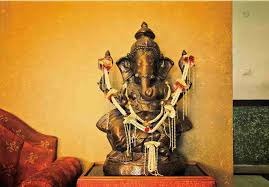
We’ve all seen it: a beautiful, intricately carved idol of Lord Ganesha placed right above the main entrance of a home. It’s a symbol of protection, a way to say that the "Remover of Obstacles" is guarding the household. But if you talk to a Vastu expert, they might give you a word of caution. As it turns out, placing Ganpati Bappa at your door isn't as simple as just "nailing it to the wall."
In Vastu Shastra, every direction and placement carries a specific energy. When it comes to the main door, there are a few subtle rules that can make a huge difference in the peace and prosperity of your home.
The Mystery of the 'Back'
One of the most important things to know about a Ganesha idol is that his "back" is said to represent poverty or lack of resources (daridrata). If you place an idol facing outward at your main door, his back is technically facing your home. According to tradition, you don’t want the back of the Lord toward your living space.
The fix? Experts often suggest placing two identical idols back-to-back one facing outside and one facing inside—so that his divine gaze blesses both the world and your family.
Which Way Should the Trunk Turn?
Not all Ganesha idols are the same. If you’re placing an idol at home, look at the trunk.
Left-turning trunk (Vamavarti): This is considered the best for households. It represents peace, happiness, and success in worldly life.
Right-turning trunk (Dakshinavarti): These are usually found in temples. They represent more intense, sun-like energy and require very strict rituals that are hard to follow in a busy home.
A Simple Checklist for Your Entrance
Height Matters: Ensure the idol isn't placed too low or directly on the floor. It should be at a respectful height, ideally at eye level.
Color Vibes: For the main entrance, a white Ganesha is often recommended for peace, while a vermillion (Sindoor) colored one is said to bring growth.
Cleanliness is Key: The entrance should be well-lit and clutter-free. No amount of Vastu "fixes" will work if the doorway is dusty or messy.
At the end of the day, Vastu is about creating a space where you feel calm and centered. By following these small traditional guidelines, you’re not just following a rule—you’re setting an intention for a happier, more harmonious home.
Read More: Ganga Saptami 2026 : Date, Auspicious Timings, and Divine Rituals to Wash Away Your Sins

_1646667941_100x75.jpg)
_133712142_100x75.jpg)