
 Ziya
Ziya Share
Share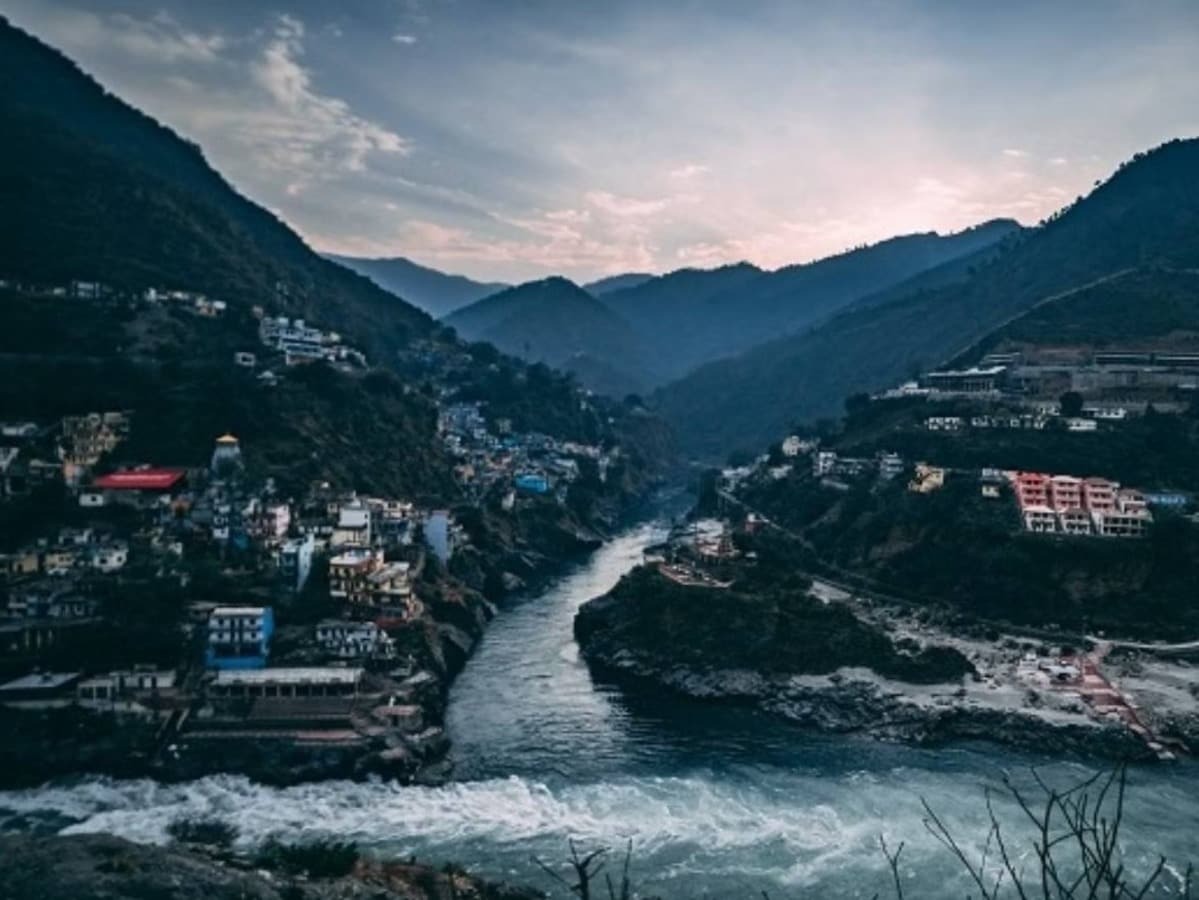
The dream of a pure and pristine Ganges, free from the stains of industrial and domestic waste, has hit a massive roadblock. A recent report by the Comptroller and Auditor General (CAG) has cast a shadow over the implementation of the Namami Gange Programme in Uttarakhand. Despite the project being a top priority for the nation, the ground reality tells a story of missed deadlines, unutilized funds, and a river that is still struggling to breathe.
The Numbers Don't Lie: The Sewage Struggle
One of the most alarming revelations in the CAG report is the massive gap between sewage generation and treatment capacity. In 20 towns situated along the banks of the Ganga in Uttarakhand, the daily sewage generated is a staggering 220.40 million liters. However, the current infrastructure can only treat 60.31 million liters.
This leaves over 160 million liters of untreated sewage flowing directly into the river every single day. This isn't just a failure of engineering; it's a direct threat to the ecosystem and the millions who consider the water sacred.
Why the Project is Stalling
The CAG report identifies several systemic issues that have crippled the mission's progress:
Unused Funds: Significant portions of the budget allocated for cleaning the river remained unspent due to poor planning and administrative delays.
Delayed Deadlines: Many Sewage Treatment Plants (STPs) and interception projects are years behind schedule.
Lack of Maintenance: Even where STPs were constructed, several were found to be non-operational or under-performing, failing to meet the required environmental standards.
Poor Monitoring: There is a notable absence of real-time monitoring to check the actual quality of water flowing from urban centers into the river.
The Ecological Toll
The Ganges is more than just a waterway; it is the lifeblood of India’s northern plains. When the “source state”Uttarakhand fails to treat its waste, it sets off a domino effect of pollution that impacts every state downstream. The high levels of coliform bacteria and decreasing oxygen levels are turning stretches of the holy river into "dead zones."
A Call for Accountability
The CAG’s findings serve as a stern wake-up call for the state government and the agencies involved. It’s no longer enough to announce grand schemes; the focus must shift to accountability and execution. Without strict timelines and transparent fund management, the "Namami Gange" project risks becoming another chapter in the long history of failed environmental promises
Read More: Pushkar Singh Dhami to Lead BJP in 2027 Uttarakhand Elections National Leadership Confirms CM Face